Author: ColinB

  • Beyond the Barrier Digital Project

    I chose my topic for my digital project as an analysis on racism and the treatment of black soccer players around the county in “statistically non-black countries.” I define this for the sake of my project as a country that, quantitatively, has black people as a minority in their population, or a country that historically and culturally has seen and treated black people as a minority. With the tool I used, StoryMapJS, I used the value of showcasing location aswell as placing my points in a chronological point to showcase the evolution of the treatment and acceptance of black players into their respective societies over the years, taking information all the way from the late 19th century all the way to just a few years ago to truly encapsulate the time aspect of how racism and acceptance of minorities develops. This combination of the chronologic factor aswell as the geographical factor showcased by the map and it’s pacing is a beautiful and sturdy combo that I hope people will appreciate and understand.

    While there were some other places I did plan on researching for this project, such as East Asia, Australia, and maybe a bit more coverage into North America, I believe this research project does a successful job of showcasing the evolution of this issue aswell as how this issue is different, but also extremely similar in different parts around the world. I am sure that these places I listed would have supported my research, and I also believe that examples of racism both early on and nowadays in the global soccer world is not hard to come by, and showcasing even more examples for this project would have strengthened my research.

    I chose this topic after some thought when this project was introduced to us because I feel it’s something important to highlight. I find that for alot of these much older athletes in my project, being able to defy societal norms and get up on extremely large stages, knowing that there were going to be dissenters and people that were going to hate them almost solely based on skin color, and still doing it anyway is extremely moving to me, and shows their strength and power.

    I hope you take the time to look through this work of mine and appreciate both the time I placed into it, aswell as understanding and sitting with the stories and examples I present in this Storymap and how the things I talk about affect our world today. I look forward to hearing from everyone and also seeing everyone else’s work!
  • Women’s Soccer & it’s Growth and Potential

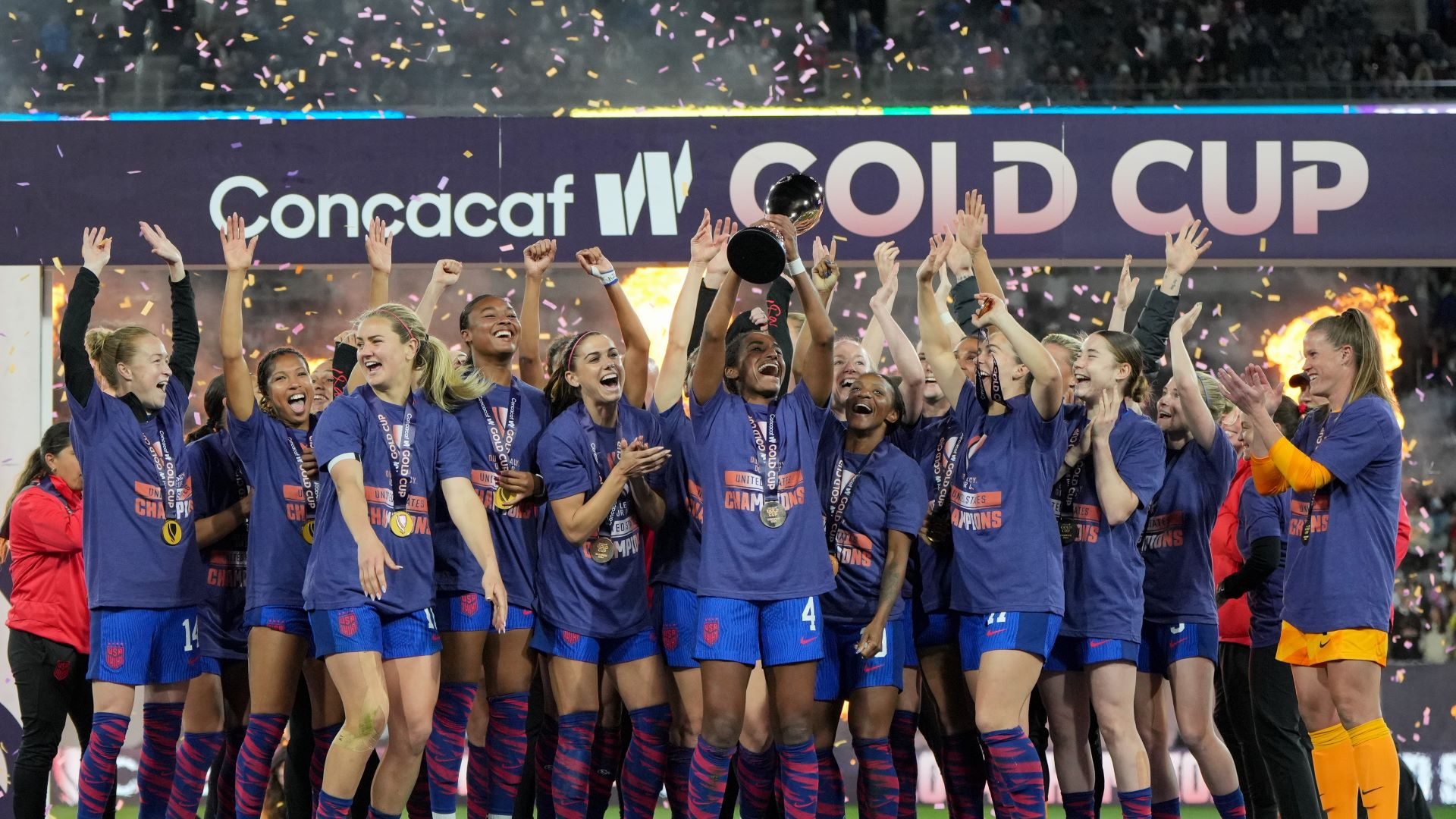
    USA Women’s National Team, 2024 CONCACAF Championship

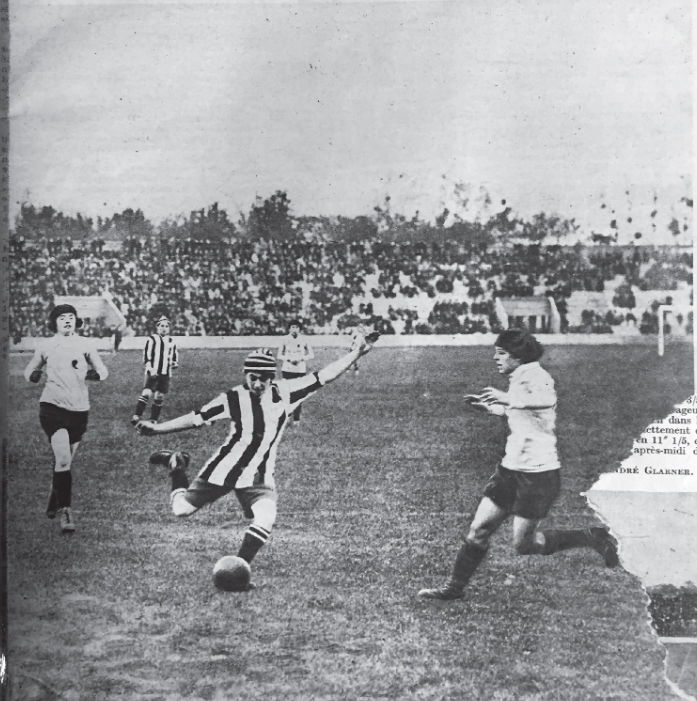
    As discussed in our last block of readings, women’s soccer had to grow as an extension of men’s soccer through extenuating circumstances, such as World War 1. Despite this, women’s soccer in some areas of the world and through varying levels of effectiveness has started to grown independently of men’s soccer, and has seen it’s own distinct highs that some people may have thought as unachievable. Through efforts that eventually reached the FIFA organization, women’s national soccer teams have come out to record breaking crowds, sold out stadiums, and a plethora of accolades related to success, this is highlighted by the enormous success of the U.S women’s national team in the late 90s, aswell as the throughout the 2010s.

    Fighting against the prohibition of the sport in some spaces, aswell as general disinterest because of inherent misogyny within many atmospheres, the pioneers of women’s soccer in places such as the U.S and Brazil as talked about mainly in these readings, fought against preconceived notions of political and societal power to get their respective sports to the level of monetary and reputation that their effort supports. This is supported and highlighted by the anecdotes presented by Caitlin Murray’s reading about the U.S women’s team trip to the 1999 World Cup, their emergence to the Giant’s stadium crowd, and their victory over China in the final.

    These two readings share a story about struggle and striving towards something, with the outcome being that of long awaited success, sharing these themes through both their stories of oppression in the pioneering-era of the growth of women’s soccer, and their stories of rising to international fame because of their success to market and monetize.

  • Women’s Soccer in Relation of WW1

    Due to the outbreak of WW1, which saw most European and American men shipped off to fight in the battles of it, this led to the the need of bodies in important industries, which allowed women to hold jobs and roles that usually men would fill because of this time of need. While that general statement seems to be common knowledge now for anyone who has taken a general history class, what isn’t necessarily talked and what may not be common knowledge about is how women’s soccer was affected because of this war and time period.

    International matches of women’s soccer aswell as women’s football clubs grew in popularity and quantity during this time because of the lack of men’s soccer at the time. This is shown on an international and somewhat professional level in England, and on a collegiate and professional level in the United States. This growth continued at a strong rate and was starting to be seen as evolved along with the men’s game from a popularity standpoint, but when the conclusion of WW1 came and the world began to “come back to normal” as one might say, we saw that the elite class of the men’s soccer game saw the growth of the women’s game not as a positive for the game of soccer, but as a negative to the profits and growth of the men’s game. This led to the slandering of the women’s soccer teams and their involvement in the sport, hurting their development that they were looking to build upon during their growth in WW1, or more generally the early 20th century.

    The main aspects that these chapters share and talk about is the evolution of the women’s game during this period of time. To many people at this time and even to an extent today, most women’s sports teams is an extension of men’s sport teams. This is due to a general male dominance and hierarchy that we have seen historically in traditional European or European adjacent societies, aswell as how we learned in these readings, an effort by high-ranking men to cap the development of women’s sports as to not take away success and profits from men’s teams of the time.

  • Why do we Keep Coming Back to Soccer?

    I quite enjoyed the Simon Critchley reading, “Working-Class Ballet.” Not only does he raise many interesting point of views and dives deep into many topics, such as the political analysis of soccer throughout it’s history in the Premier League and the World Cup, the need and purpose of grace when playing the sport, as well as captivating anecdotes about him and his father’s relationship.

    However, one of the biggest things he talks about and alludes to is the topic that I found the most interesting, and the topic that connects with the other readings we have, is the sense of hope and excitement that we get going into a new season of a sport. No matter how bad or how good the season before was, there is a sense of hope in every single fan that things will be even better, and if not, there will still be some enjoyment to it.

    The reason I found this so captivating (not only because of how true it is,) but because I find it ties so well into the themes of heroes and villains in the World Cup. This sense of hope we receive, aswell as the existence of heroes and villains within the sport creates sort of a “narrative” that we are experiencing. A story, or maybe a captivating performance. Viewers of a spectacle of any kind become glued to a storyline or a narrative that is not only easily digestible but also enjoyable for the sake of the history of the sport. Having heroes and villains gives us an easy way to showcase a story that the league itself or the fans of respective teams can push, reinforce, and enjoy.

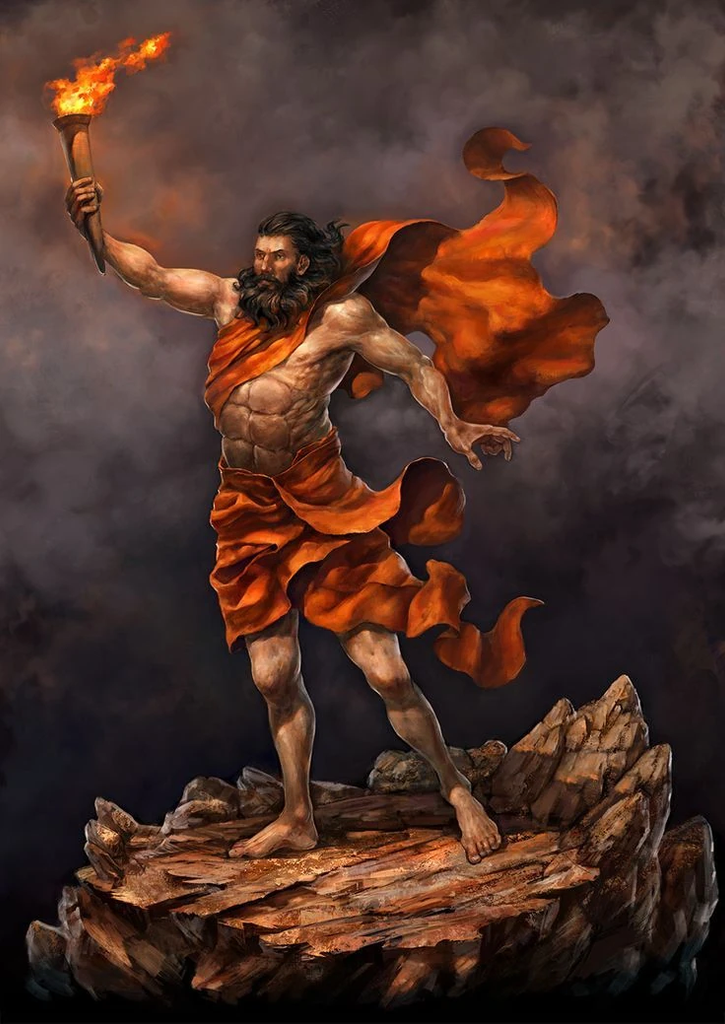
    I included an image of Prometheus, which Critchley makes reference to in his article for the sake of showcasing that the feeling of a disappointed season never truly lasts, as the hope for the new season, with endless potential provides. I think that the inclusion of this quote of Prometheus of giving “blind hopes” ties both the phenomenon of hope in a new season and the narratives that we create into an easily understandable and poetic connection.

  • Intensity and Fan Interaction

    The style of viewership that soccer brings in to itself naturally, aswell as the national appeal that it plays into with the World Cup compounds into a viewing experience and reputation that seems almost unreal when taken in all at once, such as watching in person in a crowd of 100,000 people in one of the beautiful and extravagant stadiums across the globe. These factors fit together to affect in a unique way both the fans watching in the stands and on TV, as well as the players on the pitch.

    There is no denying that the national pride that global soccer and FIFA hone in is extremely effective and an integral part of the game over it’s history. It’s one of the biggest reasons why soccer viewership and soccer fans have the reputation they have around the world. When your pride and heritage as a nation is at stake at the hand’s of a soccer match, it demands a sort of energy that a regular sports match would not require. This is the thought process behind “hooliganism” that has been mainly attributed to English soccer in the 80s and 90s. The need for violence in the crowds of soccer matches stems from the intense emotions that soccer demands in its viewership.

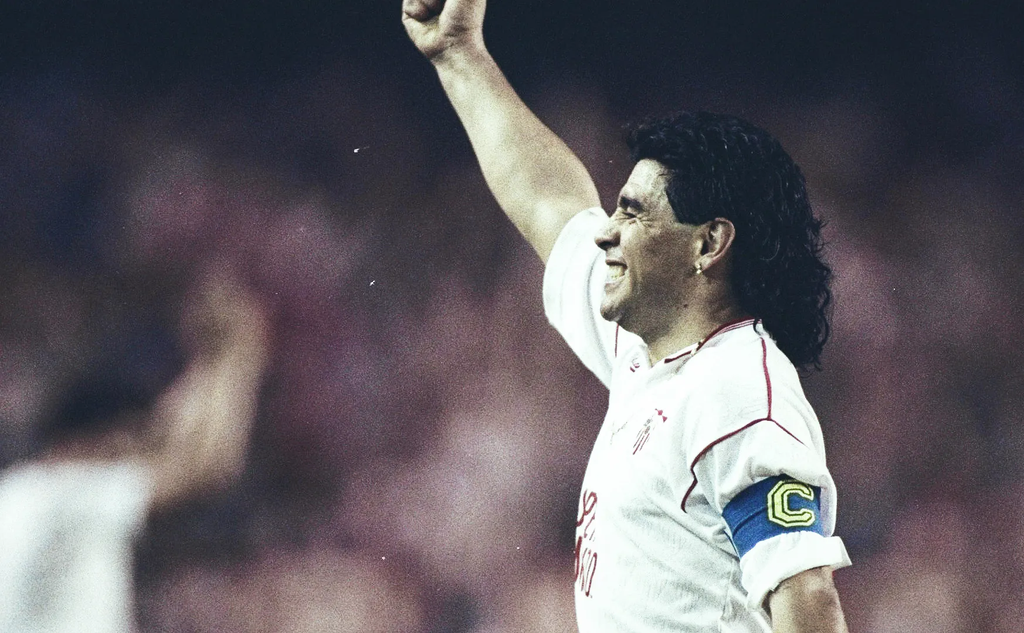
    This effect of intense emotions do not entirely stay in the stands however, as the players who represent their countries on one of the biggest stages in the world also feel those emotions and pressures exalted upon them. This is explored in Golazo! Maradona was a national phenom for Argentina, but through scandals and controversies slowly lost his star status in Argentinian sports, and even though he is posthumously regarded as one of the greats, this love was not reciprocated in his final years. The large expectations and pressure placed upon Maradona and other soccer players goes hand in hand with the almost impossibly achievable experience around global soccer.

  • Black & Immigrant Players Around the Globe

    <- Image Details

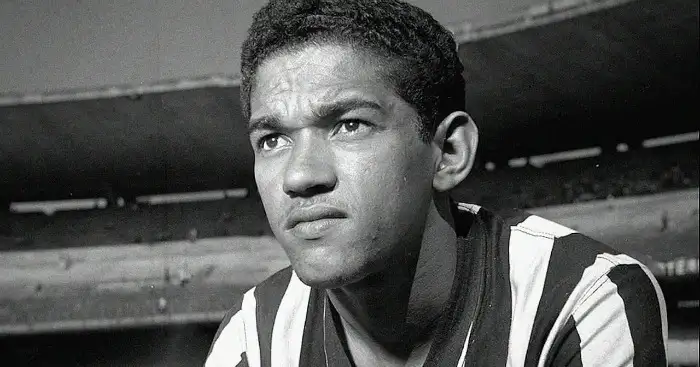
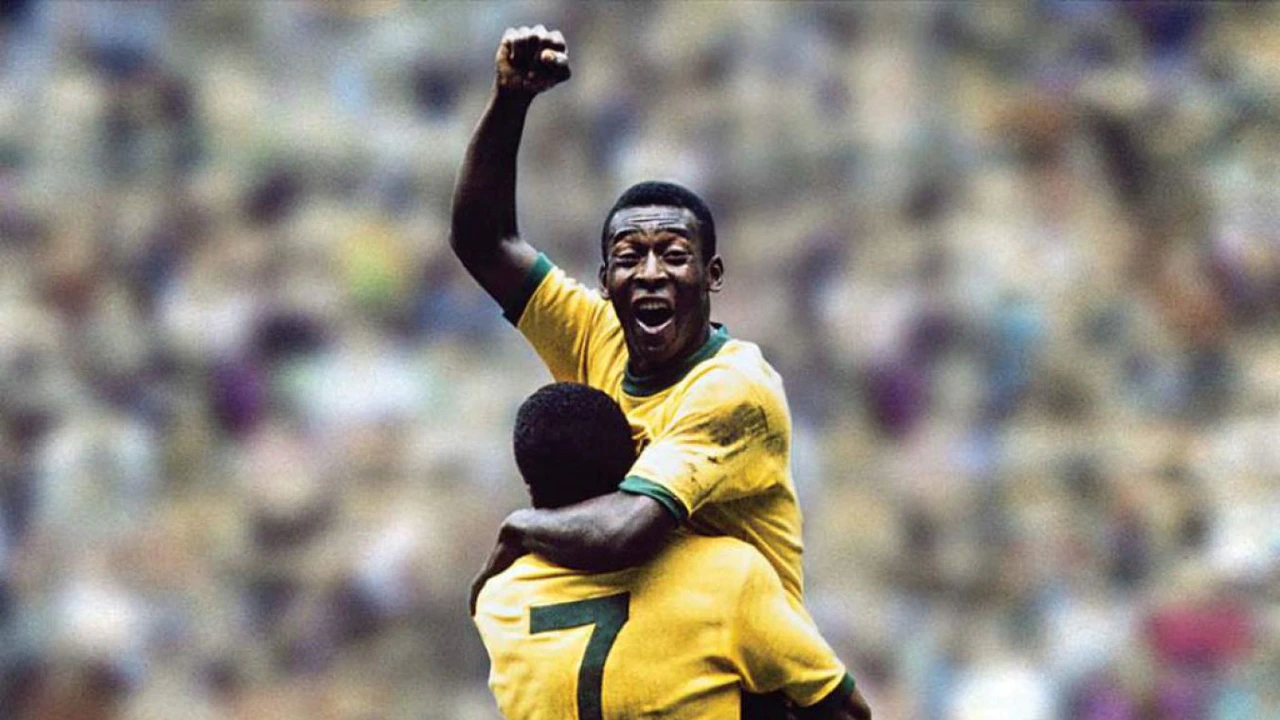
    Garrincha, one of the main talking points of this week’s reading, as a dominant “Afro-Brazillian” player.

    The overarching theme of the readings is bringing to light some high flying names of great black players throughout different eras, as well as documenting the struggles these same players have had to face for the color of their skin. This includes barring from playing for national teams as well as ridicule from the media for not “truly representing” their national team.

    One of the players highlighted through the readings if Brazilian player Manuel Francisco dos Santos, or Garrincha. Born with deformed legs that had his knees bend at awkward angles, this gave him a unique advantage to the dribbling aspect of soccer mostly. This skillset let him be one of the most important pieces of the 1958 and 1962 World Cup victories for Brazil, along with his teammate Pele.

    While discrimination against Garrincha specifically was not a focal point of the readings, the main talking points were the French national teams of the 1930s, and the German national team of 2014. Larbi Benbarek was mentioned by name as playing for the French national team even though born in the French territory at the time, Morocco, and not possessing a French passport. The German national team had possessed German citizen players who were born to immigrant parents, highlighting Mesut Ozil (Turkish) Jerome Boateng (Ghanaian) and Sami Khedira (Tunisian.) These players were sought after by name in the media as being “undesirable neighbors” and not correctly representing the German people.

  • Glory in Politics of the 1950 World Cup

    “You who I already consider champions…. you take the field as authentic representatives of Brazil who will prove the worth of the Brazilian people to the entire world”

    -Eurico Dutra, President of Brazil.

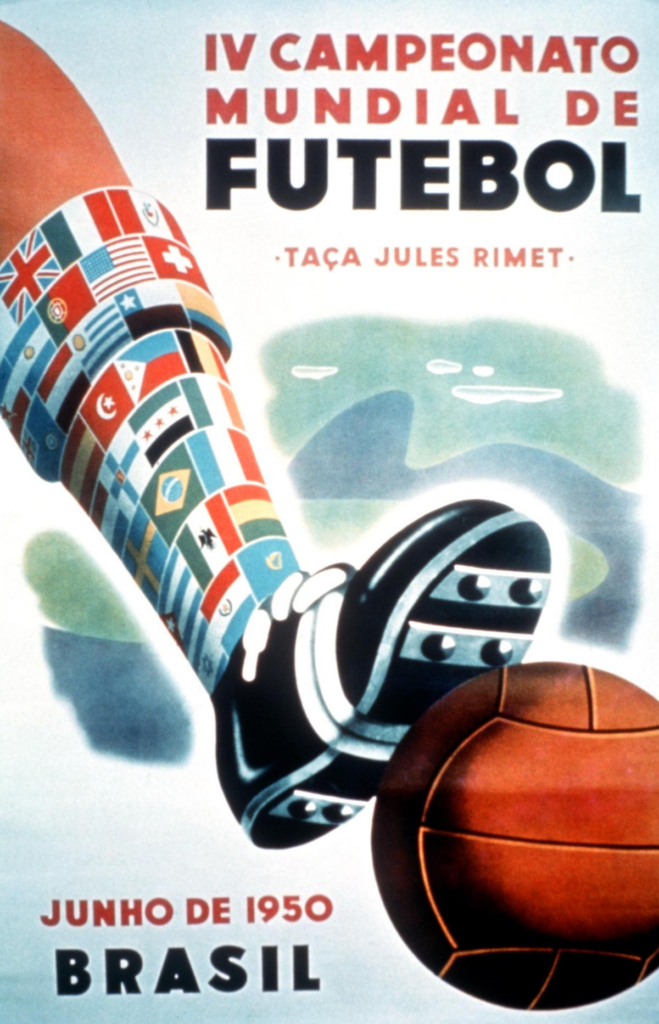
    This quote in my opinion encapsulates an important motif of both the Golazo reading and the Bowman reading which is that at the highest level of association football, they are essentially ambassadors to the world stage; a symbol of the country and it’s overall prowess in the eyes of the other countries at the World Cup. Being able to host the World Cup after a brief hiatus because of the Second World War was an extremely high honor for the country of Brazil, who saw this as an opportunity to push the image of Brazil being a flourishing, emerging powerhouse of the (at the time) modern world. This included the building of the Maracana, and extreme financial investment into tournament quality for the World Cup.

    The point of these articles is to highlight the extreme relationship between early international soccer and the political sphere of the world, whether that be in the 1950 World Cup or even modern World Cups such as Qatar 2022. The financial lengths that Brazil went to to present themselves to the world stage proves the role that soccer has on the political climate of the globe. It was more than just a tournament to not only them, but a good bit of the world. Even with a loss to Uruguay after dominating the competition and being overtly disappointed with the outcome, the message they sent to the world that soccer in South America is powerful, and that South Americans are powerful resonated.

  • Week 4: Origins of Soccer Globally

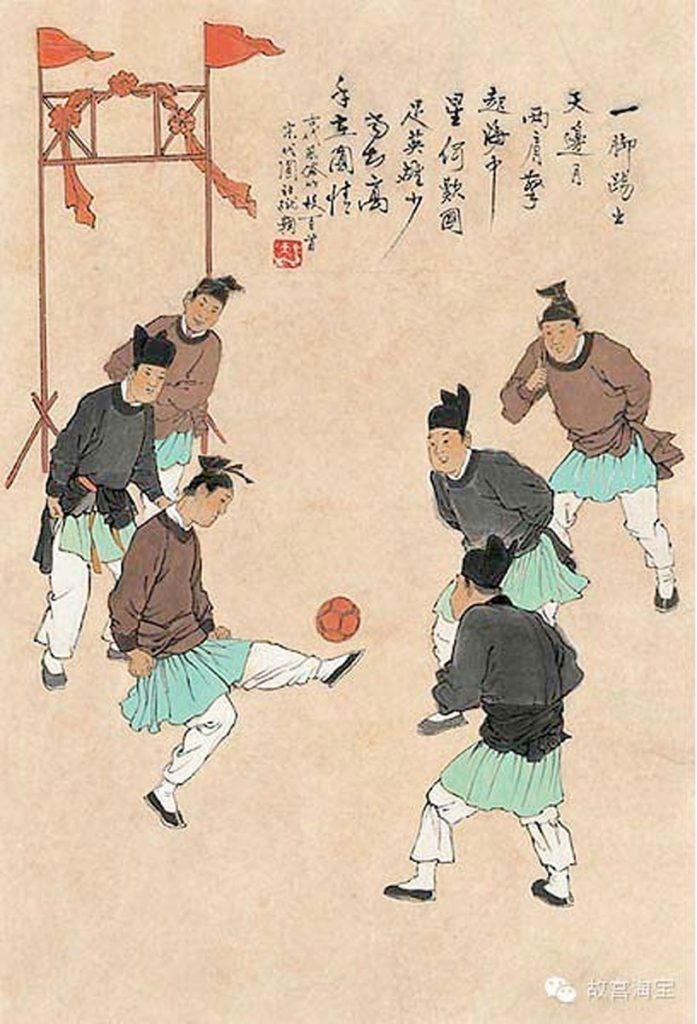
    The two readings this week, Chapter 1 of Golazo! and the first few pages of The World Cup as World History share themes of sports history being rooted in many different cultures and the evolution of “kicking ball” games through the centuries, highlighting that this game “akin” to modern day soccer was prevalent in many cultures across the globe. It goes into detail in specific places the phenomenon of simple games that consisted of advancing a ball, usually by kicking, through a goal.

    Bowman’s writing brings up the point and advances it that it was natural for the spread of soccer to take off in many cultures because of this, but he also delves into the history of not only soccer being used to “tame” a working and middle class in some European societies, specifically France. This relates to another point he makes in soccer being used as a tool to influence some European colonies outside of Europe.

    Golazo! furthers most of the points that Bowman introduces but with a more anecdotal focus on South America and Latin America, looking at Cricket being a dominant sport and how soccer gets it foot into the door in these places.

    The correlation between these two sections of the books is the early evolution of both soccer and similar sports in non-English countries, and the ways that soccer was used in the 19th and 20th century to spread across the globe to become the most popular sport for most of the world’s population.

    (Cuju, the ancient Chinese kicking game that had similarities to Association Football, seen in other cultures early history before the spread of soccer.)

  • Colin Bittner Intro

    Hometown: Sneads Ferry, North Carolina (small town near Topsail Beach, Jacksonville NC)

    Major: BS of History (Multidisciplinary)

    Introduction: Hello! My name is Colin Bittner, I am a 21 year old transfer student from the beaches of NC. I have never had much interest in the sport of soccer, but I watched some of the 2022 WC and had a good time, so when I got the chance to sign up for this class I thought it’d be a fun opportunity to “spread my wings” in the sport of soccer, and as an overall sports fan for college football and NFL football, expanding my view on other sports in the form of a class is something that interested me.

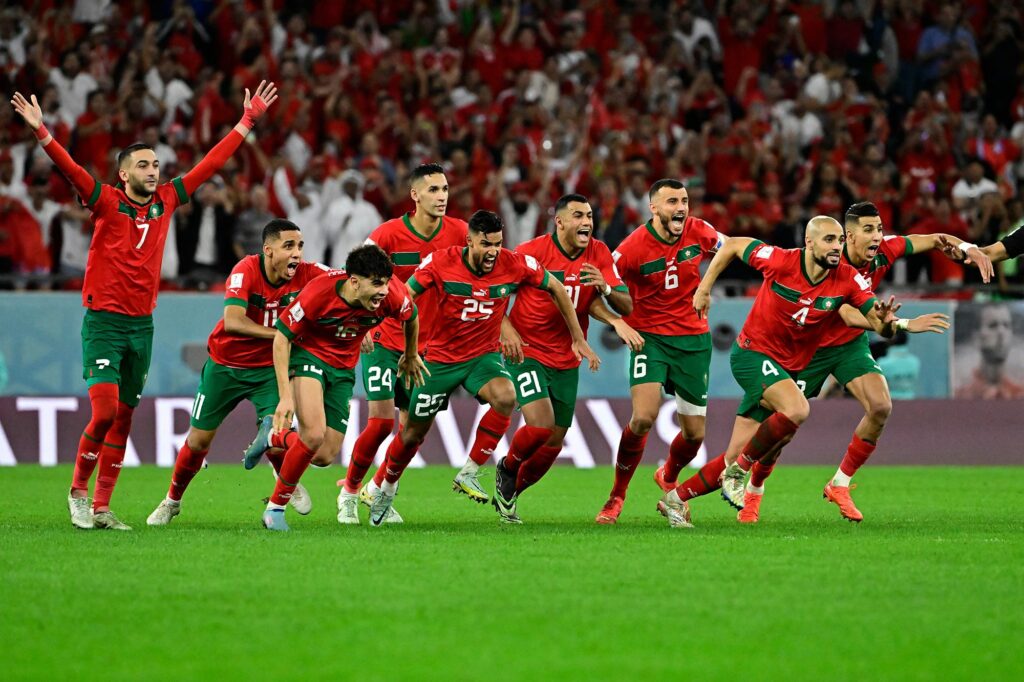
    For my picture, my friends and all picked different national teams in the 2022 WC to cheer for, and I ended up getting Morocco (who had a pretty good showing!)

  • Money & Power In FIFA

    Colin Bittner: Week 2 Blogpost

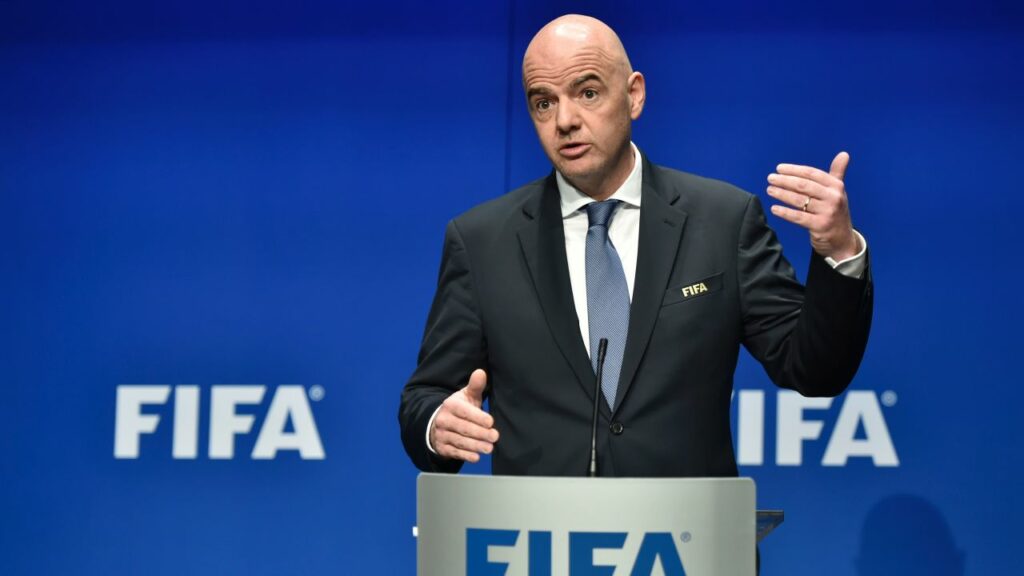
    The group that I was in read about Gianni Infantino and his relationship with Donald Trump and other powerful political leaders, as well as another article about the extreme increase in ticket prices of the World Cup Games being held in America compared to other games that were being held in Qatar in 2022.

    “Perhaps this is why Infantino looks so comfortable in the company of the rich and powerful.”

    I chose this quote to highlight the shared trait and connection between these articles as well as to really drive home the point of what these articles are trying to touch on. Infantino, as the president of FIFA, has worked continuously to do two major things: To grow the game of Soccer into more markets, and make more money. This is backed up by his upheld relationship with Donald Trump and the selection of the Americas for the 2026 World Cup, as well as the gouged prices of seats for these games because of the “higher market” that America and it’s neighboring countries has. He is attracted to what he can do to make these goals of his come true. The expansion of the World Cup to 48 teams for this tournament also supports the claim of expanding the World Cup and FIFA into a higher market, exposing more countries at once to the biggest event in Soccer. All of these factors tie into the profit margin of FIFA, the nonprofit, to put back into the expansion of the resources available to clubs across the globe. This is the public claim, but these kinds of politicizing and diplomatic tactics are out of the ordinary for a nonprofit, and raises questions about the legitimacy of the financial integrity of the FIFA organization. This is combined with the prior knowledge of FIFA’s previous president’s corruption scandal and the racketeering and money laundering of referees.

css.php