Category: Wk14-USWNT

  • The U.S. Women’s National Soccer Team’s Impact on the development of Women’s Soccer Globally

    Women’s sports have long been plagued by the issues of gender discrimination, stereotyping, homophobia, sexualization, as well as other common issues faced by women in daily life and in fields traditionally dominated by men.

    These issues have impacted the development of many women’s sports, ranging from hockey to, of particular note, soccer/football.

    Women’s soccer is undoubtedly dominated on the international level by the U.S. Women’s National Team (USWNT). Since the inaugural FIFA Women’s World Cup in China in 1991, the USWNT has never once placed below third and has earned themselves four championship titles. This is in stark comparison to their male counterparts, who struggle to qualify for their World Cup. Yet, the USWNT have faced unequal treatment not only in pay but training and playing conditions as well.

    The USWNT’s fight against this unfair treatment is detailed by Caitlin Murray in The National Team: the Inside Story of the Women Who Changed Soccer. Following a shift in the landscape of women’s sports in the U.S., symbolized by the opening match of the 1999 FIFA Women’s World Cup at New Jersey’s Giants Stadium, the USWNT banded together to fight for equality. The USWNT’s battle, well known to any interested in women’s sports, established a playbook not only for other women’s sports in America – such as in hockey – but also for teams across the globe.

    Women’s football in Latin America, like in many other nations, found itself in a sort of boom-and-bust cycle, as detailed in Futbolera: a History of Women and Sports in Latin America. The sport would gain rapid popularity before facing the reality of lack of recognition beyond their status as women, proper and sustainable salaries, consistent training schedules, and institutional support. Additional issues arose in the form of misogyny in all aspects of the sport – journalists, coaches, players, referees – and homophobia against players – even against players that do not identify as homosexual. These have all reached extremes in Latin America, with instances of male journalists making lewd comments and gestures towards their female counterparts, as did Romai Ugarte against Grace Lazcano in 2017 on Chile’s Canal De Futbol.

    Many woman football players in Latin American countries have experienced discrimination and inequality similar to that faced by the USNWT but often at levels beyond the USNWT. Yet, the USNWT’s story serves as hope, a life line, for women playing in male dominated sports, not only in Latin America but all across the globe. Their story and continued fight has inspired and helped bring awareness to the issues women face in sports, but also in their everyday lives.
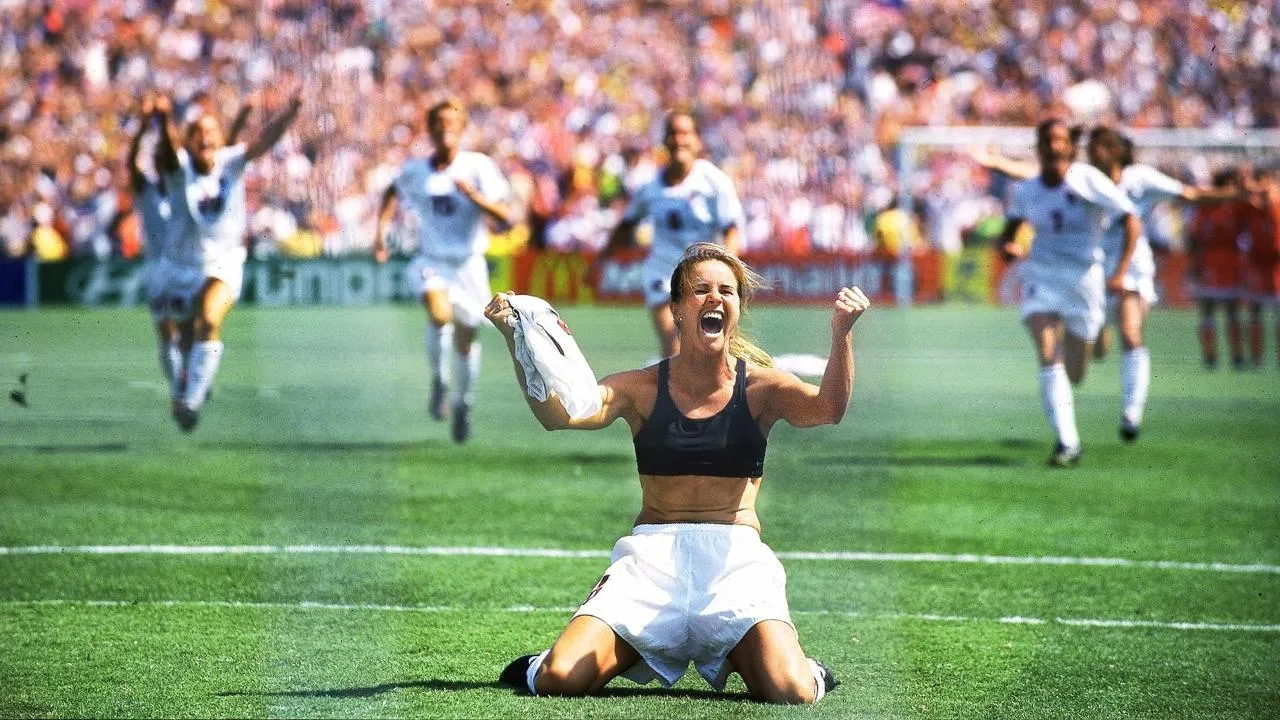
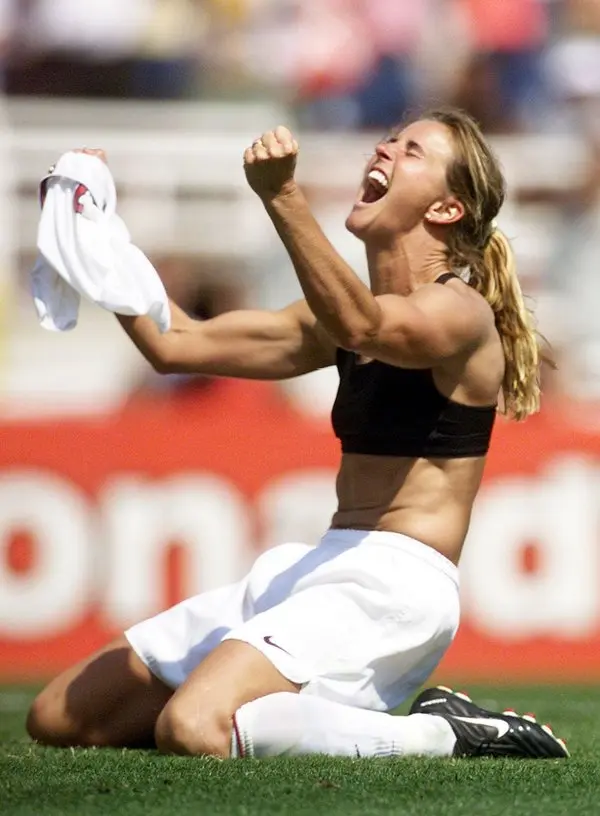
    USWNT win the 1999 FIFA Women’s World Cup
  • Playing Against the Odds: The Fight for Women’s Football

    One of the most interesting ideas in Chapter 7 of The History of Women’s Football is that women have always played the game, even when they were told they couldn’t. Women’s football didn’t just suddenly appear in the modern era; it has existed for decades, but it has constantly faced barriers like bans, lack of funding, and negative stereotypes. Instead of growing naturally like the men’s game, women’s football has had to fight for survival at every stage of its development.

    This idea connects strongly with the epilogue from Futbolera, which shows that even today, women’s football is still dealing with many of the same problems. For example, the reading explains how women’s teams in Latin America often receive very little funding, barely get to practice, and sometimes are not even active for long periods of time. While men’s teams travel the world and receive large salaries, women’s teams can struggle just to get basic resources like transportation or training facilities. This shows that even though the sport has grown, the inequality between men’s and women’s football is still very large.

    Another important point is how women players themselves have been the driving force behind the sport’s growth. In Chapter 7, women continue to organize teams, leagues, and competitions despite not receiving support from official organizations. This same idea appears in Futbolera, where players create unions, protest unfair treatment, and build grassroots leagues to keep the sport alive. The formation of groups like national player associations shows that women are no longer waiting for change; they are actively demanding it.

    The readings also highlight how media and culture play a role in slowing down progress. Women’s football often receives little coverage, and when it does, it is sometimes overshadowed by sexist attitudes or objectification of women athletes. This lack of visibility makes it harder for the sport to grow, because fans are not given the same opportunities to follow and support women’s teams.

    Overall, both readings show that women’s football has evolved through persistence rather than support. The sport has survived because of the dedication of players and fans, not because of strong institutional backing. While there have been signs of progress in recent years, the history of women’s football makes it clear that there is still a long way to go before true equality is reached.

  • Gender Inequality

    By: Abraham Cruz-Hernandez

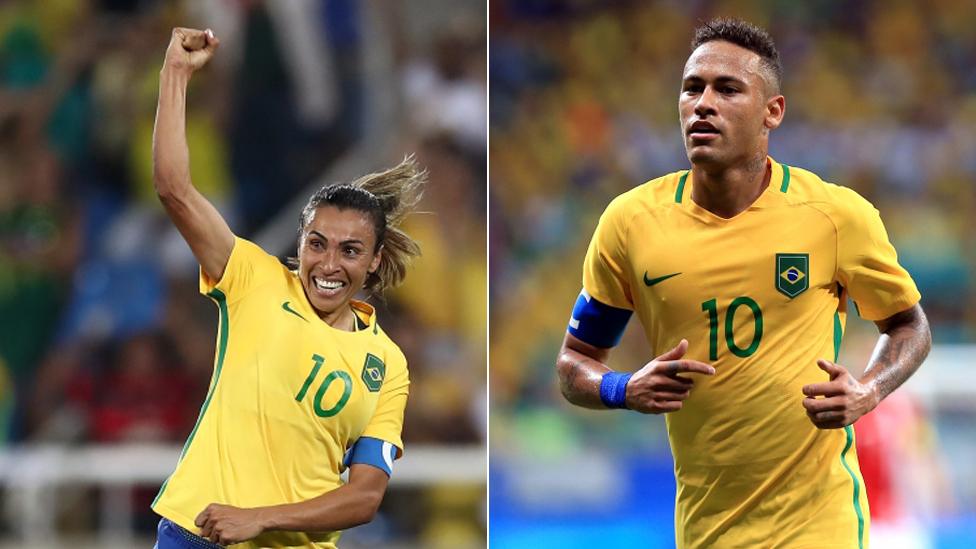
    Brazil football stars Neymar and Marta in 'battle of the ...

    While reading The Atlantic we can see that Neymar and Marta are the top soccer players of Brazil and it highlights the gender inequalities of these top soccer players. It highlights the way they both are portrayed differently

    Neymar is portrayed as a global icon in modern day soccer. He is surrounded by sponsorships, main media attention, and immersive financial gains. He represents modern day Brazilian soccer culture and benefits from being a male and being amplified to the main soccer stage. Meanwhile Marta who is a well known soccer player is being undermined despite being very decorated with her awards. Marta has has to navigate through a system that undermines women’s sports.

    The comparison between the two shows how the system is set to support different genders by the way they do institutional support, media coverage, and audience investment. Brazil takes pride in their nationality they uprise Neymar and praise him for his success. All while Marta is downplayed and not given the same attention as the most successful Brazilian female soccer player.

    We can see the inequalities by the most viewed final World Cup matches between the two genders.

    • Men’s FIFA World Cup Final Match
      • 2022 Qatar (Argentina Vs France)
        • 1.5 billion
    • Women’s FIFA World Cup Final Match
      • 2019 France (US Vs Netherlands)
        • 263.6 million

    We can see the difference between the two most successful soccer players and how it is because of their genders. It leaves you wondering why soccer in women’s sports is overlooked and the need to show them the same respect and value as we do with men’s soccer.

  • Week 14- A Lack of Support in the Women’s Game in Brazil

    As a nation, Brazil’s footballing identity has been tied to ginga, which is described as a dance-like style of play that promotes a player’s creativity on the pitch. This style of play has been associated with elite male players like Neymar and Pelé, but female footballers like Marta as equally important to this playstyle. In “‘Pele With a Skirt’: The Unequal Fortunes of Brazil’s Soccer Stars”, what stands out most is the lack of and support for female footballers who have a huge impact on the game of football on and off the pitch. Marta has won countless awards in women’s football, yet her career has been marked by instability. Teams she played for repeatedly folded due to financial issues, showing there to be a lack of investment in women’s football, while Neymar’s career flourished with huge transfer fees to big European clubs with a big institutional backing. 

    The article strongly connects to other themes of gender inequality in sports, one of which is the example of a ban on women’s soccer in Brazil from 1941 to 1979. This occurred because of the nationwide belief that the sport was “incompatible” with femininity, aligning with many beliefs in the early 20th century during World War 1 about the women’s game in England and the United States. Even after the ban was lifted, those attitudes have yet to disappear. A quick dive into the rabbit hole of women’s football will show you that there is still a significant lack of hype or coverage and very little financial backing. The dissolution of the Santos women’s team, partly tied to prioritizing Neymar’s salary, is a huge example of how women’s football is treated as expendable. Neymar was put on a pedestal and treated like a footballing God in Brazil, while his female compatriot was constantly mistreated and not given what she deserved.

    The article also raises the question of exactly what role male players should play in supporting the women’s game. Players like Neymar express admiration, but there is still a clear lack of consistency when it comes to financial support and public advocacy for the women’s game. We see that the United States and Europe have taken strides in supporting women’s football through this method of consistent support, and their football clubs have thrived.

    Women in football have been overlooked within a male dominated system. Marta represents the brilliance that women’s football can be, but also the frustration of what it still lacks, of course by no fault of her own. We can only hope that nations like Brazil can give women’s footballers the same opportunities as men in the future.

  • Futboleras: Women Who Changed Soccer

    The challenge faced by women in soccer still isn’t solved, and developments only began popping up within the bast 50 years or so. So much of the history of women’s soccer is lost, either because of the ban on it in certain countries, or out of federation greed who were scared interest from male games would be taken away. So many obstacles still stand in the way of women’s leagues and wanting to achieve true equality with men’s leagues, and in the readings for this week, we see how these icons fought for their place on the world stage of soccer.

    With so little interest from Soccer Federations and Confederations regarding women’s games, the consistency of men’s tournaments shows that the resources are there to support all aspects of the sport, yet the ones in power still sit in the mindset that soccer is supposed to be “masculine” and opportunities given to women’s teams just isn’t worth the effort. In regards to effort, the blatant sexism and racism is much more profound and looked over on women’s teams. With so many Federations picking a coach who isn’t really qualified, it gives way to the coach perhaps using his position of power to make his players vulnerable, ruining their reputation and ruining the future of the team once scandals like that went public. Funding is so misallocated , and even if a team had performed exceptionally well in a season, the Confederations would still hang the threat of budget cuts over the players heads.

    Despite ALL of this and more, so many star players over the last few decades have risen through these tribulations, and have worked their way into a position to fight for what women’s teams have wanted since their inception right along with the men’s teams. With the lack of attention women’s teams face, the united action they take not only unites them better as a team, but connects them as people fighting for their equal place in the sport of soccer.

  • Women’s Soccer & it’s Growth and Potential

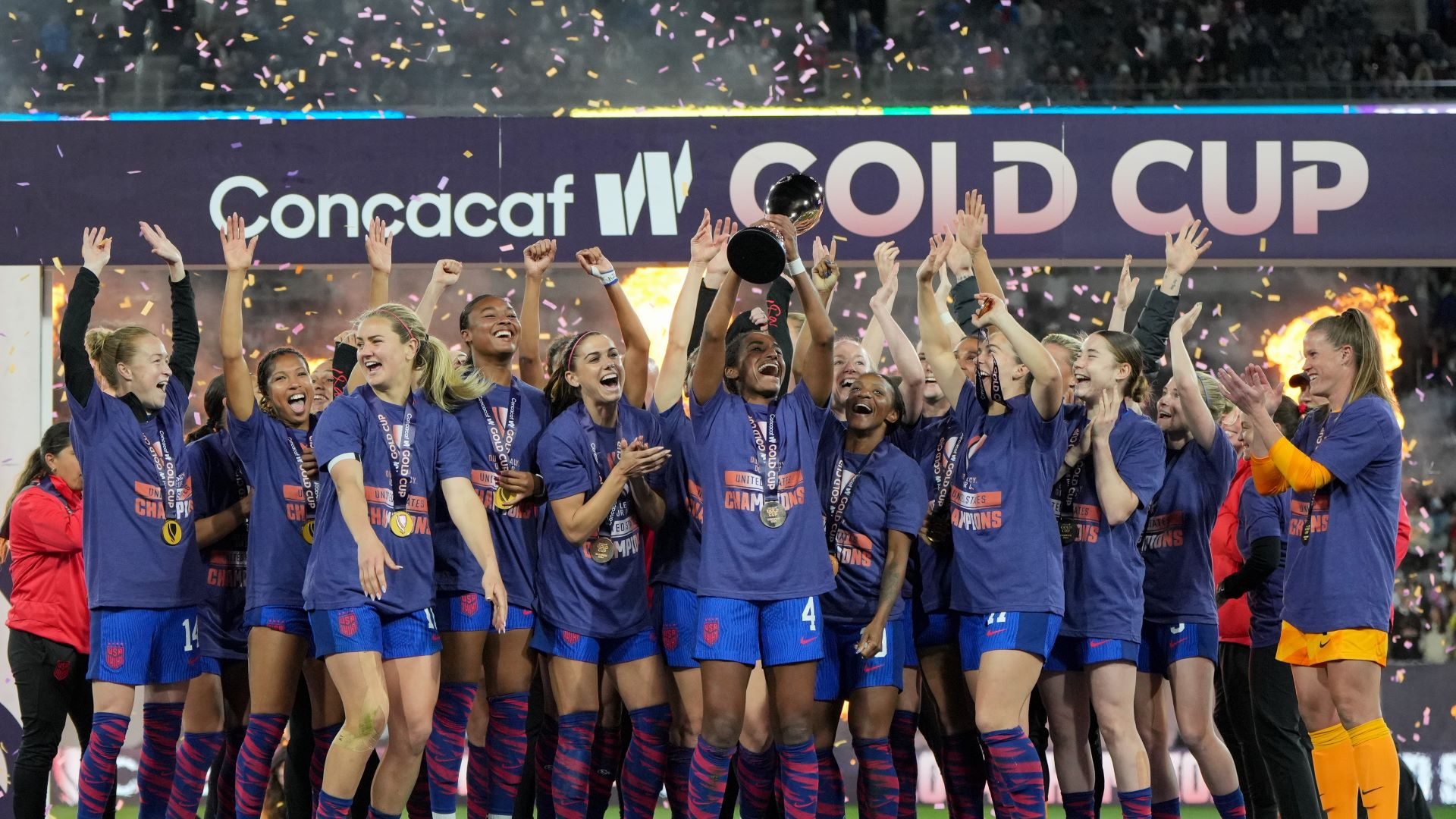
    USA Women’s National Team, 2024 CONCACAF Championship

    As discussed in our last block of readings, women’s soccer had to grow as an extension of men’s soccer through extenuating circumstances, such as World War 1. Despite this, women’s soccer in some areas of the world and through varying levels of effectiveness has started to grown independently of men’s soccer, and has seen it’s own distinct highs that some people may have thought as unachievable. Through efforts that eventually reached the FIFA organization, women’s national soccer teams have come out to record breaking crowds, sold out stadiums, and a plethora of accolades related to success, this is highlighted by the enormous success of the U.S women’s national team in the late 90s, aswell as the throughout the 2010s.

    Fighting against the prohibition of the sport in some spaces, aswell as general disinterest because of inherent misogyny within many atmospheres, the pioneers of women’s soccer in places such as the U.S and Brazil as talked about mainly in these readings, fought against preconceived notions of political and societal power to get their respective sports to the level of monetary and reputation that their effort supports. This is supported and highlighted by the anecdotes presented by Caitlin Murray’s reading about the U.S women’s team trip to the 1999 World Cup, their emergence to the Giant’s stadium crowd, and their victory over China in the final.

    These two readings share a story about struggle and striving towards something, with the outcome being that of long awaited success, sharing these themes through both their stories of oppression in the pioneering-era of the growth of women’s soccer, and their stories of rising to international fame because of their success to market and monetize.

css.php