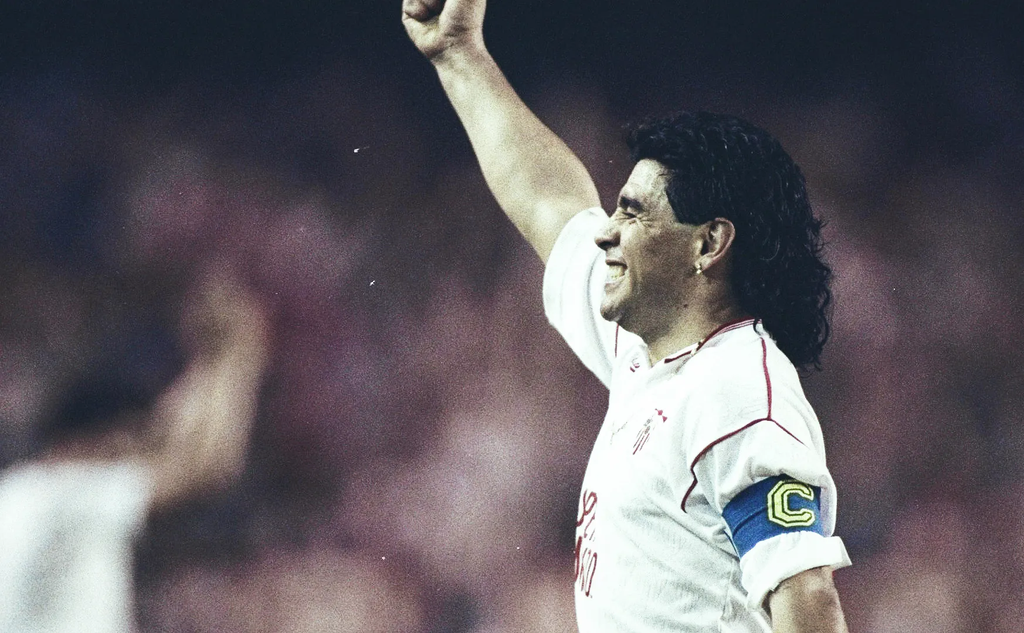
The style of viewership that soccer brings in to itself naturally, aswell as the national appeal that it plays into with the World Cup compounds into a viewing experience and reputation that seems almost unreal when taken in all at once, such as watching in person in a crowd of 100,000 people in one of the beautiful and extravagant stadiums across the globe. These factors fit together to affect in a unique way both the fans watching in the stands and on TV, as well as the players on the pitch.
There is no denying that the national pride that global soccer and FIFA hone in is extremely effective and an integral part of the game over it’s history. It’s one of the biggest reasons why soccer viewership and soccer fans have the reputation they have around the world. When your pride and heritage as a nation is at stake at the hand’s of a soccer match, it demands a sort of energy that a regular sports match would not require. This is the thought process behind “hooliganism” that has been mainly attributed to English soccer in the 80s and 90s. The need for violence in the crowds of soccer matches stems from the intense emotions that soccer demands in its viewership.
This effect of intense emotions do not entirely stay in the stands however, as the players who represent their countries on one of the biggest stages in the world also feel those emotions and pressures exalted upon them. This is explored in Golazo! Maradona was a national phenom for Argentina, but through scandals and controversies slowly lost his star status in Argentinian sports, and even though he is posthumously regarded as one of the greats, this love was not reciprocated in his final years. The large expectations and pressure placed upon Maradona and other soccer players goes hand in hand with the almost impossibly achievable experience around global soccer.

Leave a Reply