Category: Wk10-heroes and villains

  • Villians and Liverpool

    Based on the two articles that were read, they are not that much different. One focuses on storylines and personas, while the other focuses on the personal view and story of the writer. In many ways, they can be different. But in other ways they are very similar. Although the objectives from both may be very different. The first article is called Working Class Ballet, the writer talks a little bit about himself and the soccer team Liverpool. The second is called Ranking the World Cup, the writer looks at twenty occurrences that have happened in a world cup. But for the sake of the blog, only one will be talked about. 

    In the first one, the writer talks a little bit about his childhood. He gives some background on the relationship he had with his dad. But the real attention was on the Liverpool football club. He talked about coach Bill Shankly. He believed that Shankly was a good coach for Liverpool and believed that during his tenure, Liverpool was unstoppable. He did not hold back to mention that Shankly was a lifelong socialist. Shankly believed that to be successful, that it was a collective. As the article continued, he mentions how the team was brought by capitalists named Tom Hicks and George Gillet. During their tenure, the team played their absolute worst. It seems in the article, it brings to light collective effort and individualism. In the article it mentions that these ideologies, specifically socialism, was not political, but a way of living.

    In the second article, it goes by rankings. The first ranking going to be mentioned is number 25, Mark Balotelli. He is seen as a villain in soccer fans due to controversies. Yet fans from Manchester City didn’t mind too much as he scored the winning game point against Azzurri. But what is being revealed here is that he is still able to be viewed as a villain whether he is lead scorer or not. People are not fond of him because of his bad boy attitude.

    What can be concluded is that both articles focus on the view of people. Both try to go into detail and both reveal some interesting points. They do not hold back any information and keep the reader interested. And finally, both try to understand the controversies that are occurring at the moment.

  • The pressure of expectation

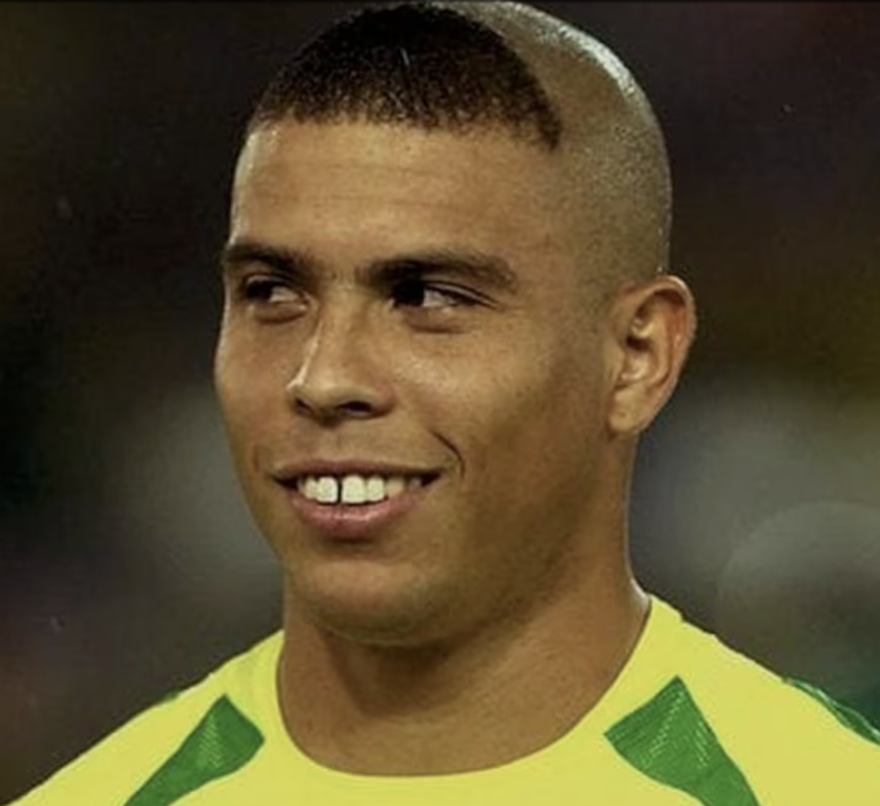
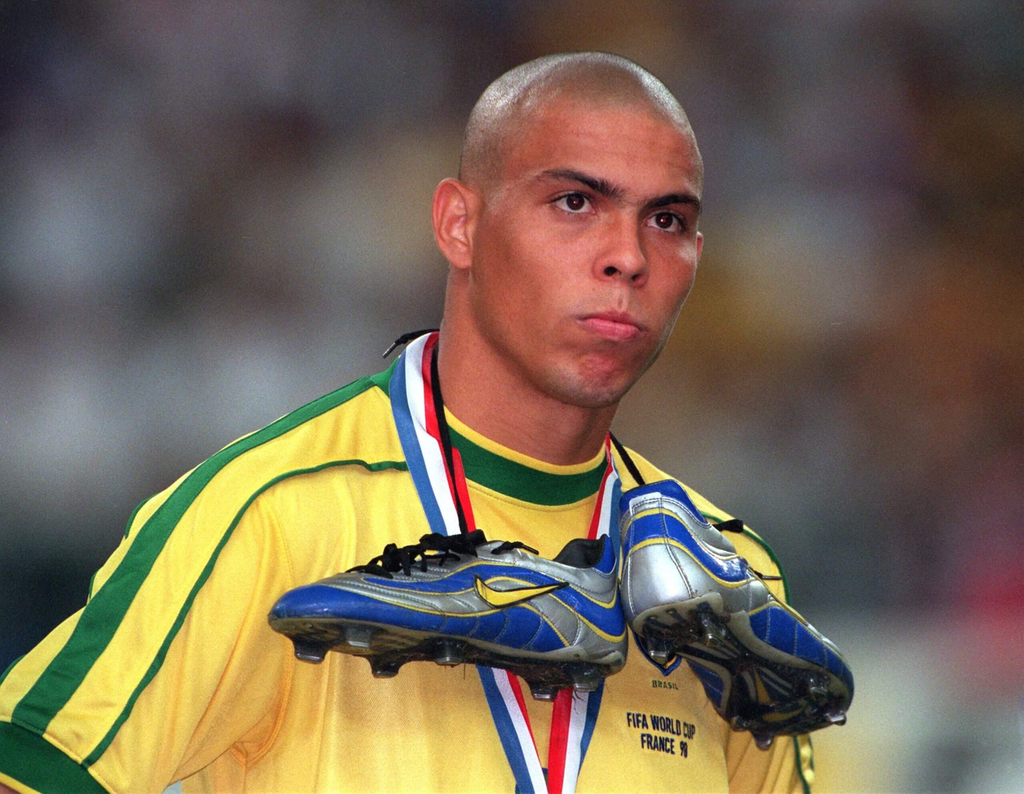
    There’s a word Brazilians use that doesn’t translate cleanly into English: alegria. It means something like “exuberant joy,” but even that doesn’t fully capture it. It’s more of a feeling you recognize when you see it, and in the summer of 1998, the world saw it every time Ronaldo Nazário stepped onto the field.

    At just 21, Ronaldo was already the most exciting player in the world. He had global fame, huge contracts, and constant praise. But what made him stand out wasn’t just his talent, it was how freely he played. He looked almost untouched by pressure, like the World Cup stage didn’t affect him the way it does so many others.

    But both the readings and FIFA Uncovered show that the World Cup is never just about talent. Ronaldo himself pointed out that being the best and actually winning are not the same thing. That gap is what defines the tournament. It’s where players either prove themselves or fall short, and it often has less to do with skill and more to do with how they handle pressure.

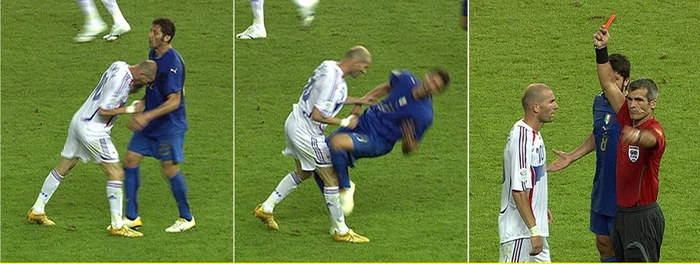
    We’ve seen that pressure affect even the greatest players. Diego Maradona showed both brilliance and controversy in 1986. Zinedine Zidane lost control in the 2006 final, ending his career with a red card. Luis Suárez crossed the line multiple times on the world stage. These moments suggest that the World Cup doesn’t just reveal talent, it reveals character.

    At the same time, FIFA Uncovered makes it clear that this pressure is not just internal. FIFA’s control over the tournament adds another layer through money, politics, and global expectations. The World Cup is not just a game, it’s a massive international event shaped by power and influence behind the scenes.

    Because of that, players like Ronaldo are not just competing, they are performing within a system much bigger than themselves. His alegria in 1998 stands out even more when you consider that. It represents a kind of freedom that is rare in a tournament defined by pressure from every direction.

    In the end, the World Cup is about more than just talent or results. It’s about how players respond to pressure, and how the larger system around them shapes those moments. That’s what turns great players into legends, or something else entirely.

  • Heroes and VILLAINS By Grayson Banks

    Mythmaking has always been a big part of soccer, especially when all eyes are on the best players in the world in a very nationalistic competition like the World Cup. This mythmaking can transform players into things greater than just pure men or women; they become icons that transcend their normal role of being athletes. Instead, these people become heroes and villains that help to define certain World Cups, teams, and play styles. 

    The World Cup is a global spectacle that is celebrated in many countries all around the world, and this diversity allows for different ideas and play styles to flourish and create a very diverse playing style amongst teams. These differences in play styles between countries can allow for a player to be both a hero and a villain. While they might be a hero for their country because of how well they play, they can also be viewed as a villain by their opponents because they don’t like their play style or how the player presents themselves. 

    Alot of things can create the doctrine of a player being a villain, such as playing too aggressively, diving, complaining to the referees, trash talking, being overly confident, and instigating problems with other players who are loved. Every good hero needs a villain to contrast their good with evil. But the thing about heroes and villains in the World Cup is that there is no objective good or evil for soccer fans to base their love or hatred of these players on; instead, it is much more driven by nationality and personal feelings about a player that fans harbour. For example, in the Bleacher Report article that ranks the twenty-five worst villains in World Cup history alot of beloved players were on the list, like Ronaldo and Antonio Rattin, who were loved by the countries they represented but not by the masses who watched the World Cup. Ronaldo is widely recognized as one of the best players to ever touch a soccer ball, and his accolades back that up, but when it comes time to play in national competitions with his home country of Portugal, Ronaldo transforms into a global villain. In the 2006 World Cup, Ronaldo got Wayne Rooney sent off for England after complaining to the referee, and this made him seem like a crybaby in the eyes of alot of English fans and really fans all over the world. While Ronaldo didn’t really do anything that heinous to warrant becoming a villain, the fact that he complained to the ref was enough for some fans to turn their backs on one of the best players of all time. When the stakes get higher in international competitions, the narratives of players can transcend the game itself, and when all eyes are on you, there are bound to be differing opinions on whether you are a hero or a villain.

    Despite how different public opinion can vary in such a global competition like the World Cup, some players find a way to navigate the sport without doing anything to have them looked upon as a villain. For example, in the CNN article about Lionel Messi and how he won over the hearts of Argentinians by winning the World Cup in 2022. Messi found a way to touch Argentians ‘ hearts before even winning the World Cup; he found a way to make the people feel something by watching him play. Argentina is a soccer nation having won World Cups on the back of the legendary Maradona. Messi managed to touch fans’ hearts by just focusing on what he can control in the game and playing with such passion that the fans can feel how much he wants to win. If you’re willing to give it all for your country, then your country will be willing to give its all to support you. Messi never made himself bigger than soccer, and he recognized his place amongst the Argentine people, and the fact that he’s one of the greatest soccer players, and he has no ego, makes him marketable and loved all over the world. When Messi put it all on the line in the 2022 World Cup and left it all out on the field to win the World Cup for his country, that earned him respect not only in his country but all over the world.

    When the stakes get higher, emotions can tend to take over certain players, and that can lead to them doing whatever it takes to win. And when you care more about winning than being a good person and a respectable soccer player, you can be viewed as a villain by some people. This is a weird paradox because you have to give it all for your country to be considered a hero, but you have to do that with grace to be considered a true hero on the global stage.
  • Ronald’s Journey to the 1998 WC

    In the 1998 sports illustrated article highlights Ronaldo as one of the most dynamic and exciting players that were heading into the 1998 FIFA World Cup. It emphasized how rare he was with his blend of speed, strength and creativity, and how he also brought so much joy into the games he would play, setting him aside from other stars. Ronaldo is portrayed as a player who had to carry inventive expectations from his team and from the nation of Brazil in hopes of securing their fifth World Cup title.

    Despite his global theme, the article pinpoint that Ronaldo had to face, intense pressure and criticism, especially with his scoring begin to slump. Despite that he would’ve consistently tried to prove his talent through remarkable performances. Although the article also seems to contrast his worldwide recognition with the lack of popularity he had within the United States. The article presented Ronaldo as both a symbol of Brazilian soccer culture in the global icon, whose talent and his personality defined him through his tournaments. Making him a crucial piece during the 1998 World Cup.

    By: Abraham Cruz-Hernandez

  • What makes a Hero (or Villain)?

    The sport of soccer has its icons, and their stardom isn’t considered only what they do on the pitch, but how they represent the sport off it as well. These icons can be respected for a variety of reasons, but like a shining light, with it comes the “darkness” and the types of players that don’t care what opinions are held about them, and in this they write themselves into the role of a villain.

    These villains, described by Tom Sunderland as, “…the figures who garner more disdain than your average participant, whether it be due to crimes committed in a particular competition, their actions preceding a tournament or just because they’re a generally disliked figure of the game…” often use this fandom full of disdain to their advantage, and sometimes these “villainous” acts become what they are known for despite such a renowned scoring or overall record. This article from Bleacher Report, “Ranking the World Cup’s 25 Biggest Villains of All Time“, has portions that seem to have clear bias or exclusion of certain information to seemingly paint players the author may not like in an “evil-only” fashion.

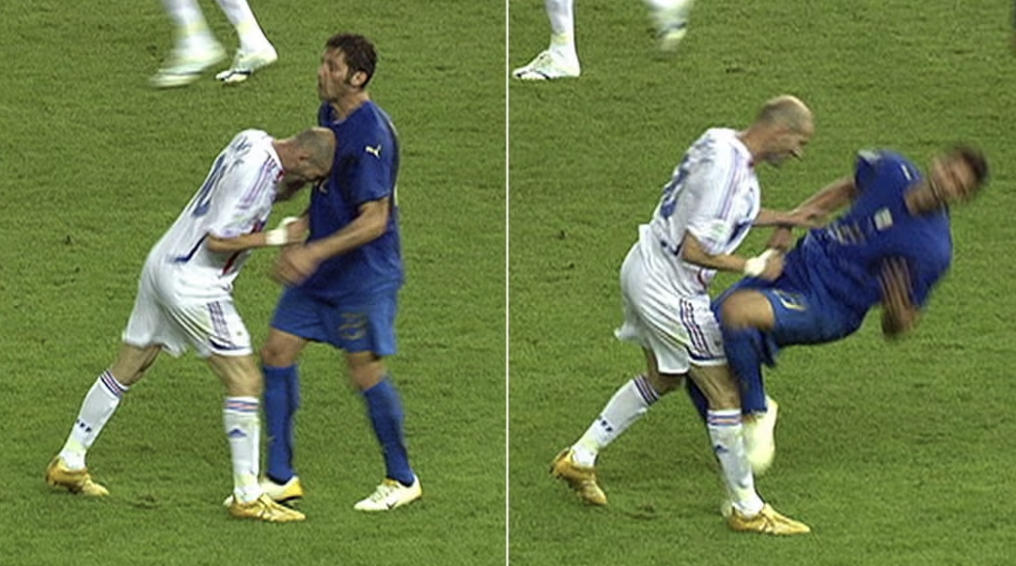
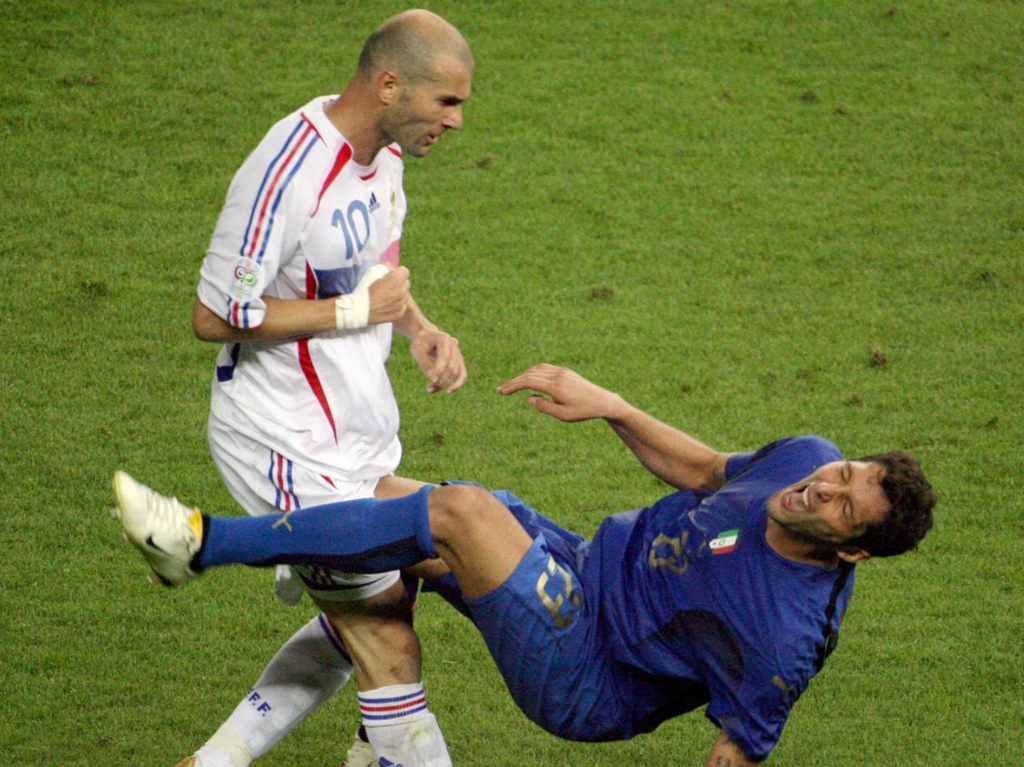
    Take Zinedine Zidane’s situation between himself and Italy’s Marco Materazzi in the 2006 World Cup. The author describes Zidane as “a hero of the highest order to most”, suggesting that this specific incident seemed out of character for the player. Sunderland ranks Zidane 7th on this list seemingly for this reason alone, and Materazzi ranks just above him in 6th place only for the fact that he caused the situation and wasn’t as liked as Zidane, according to Sunderland. Fan adoration appears to be a very prevalent cause in deciding which players are the heroes or villains, and if a player isn’t adored by the masses the littlest scuffle becomes a deciding factor in how fans view them.

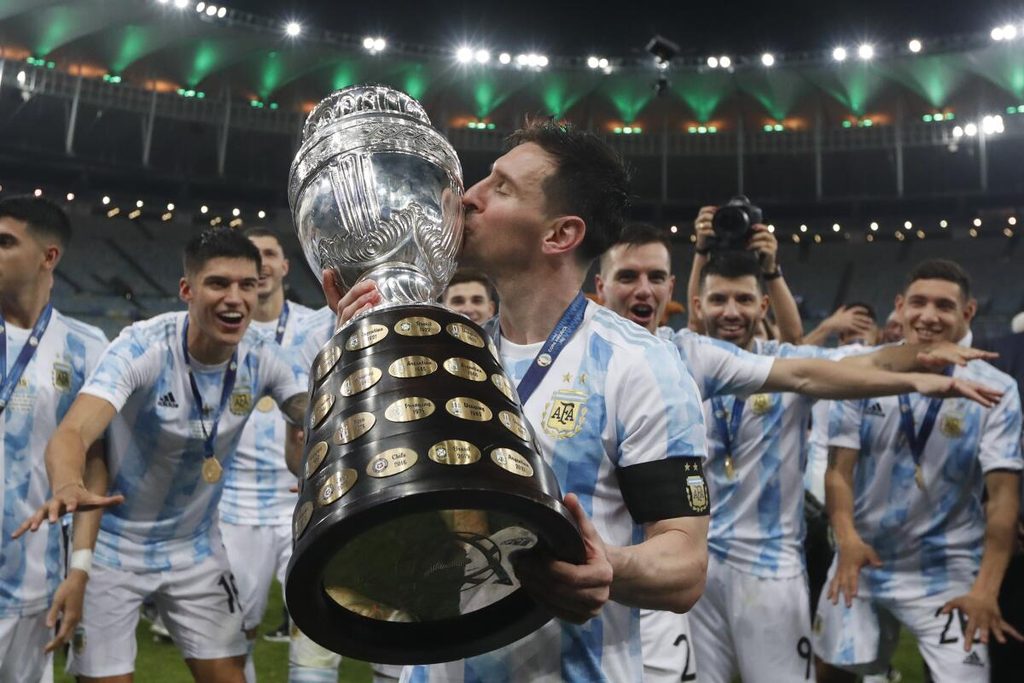
    When discussing how fans view players and consider them a “good” representative of their nation, look no further than the opinions of Argentinian fans and what they think about Lionel Messi. In the article “Stepping out of Maradona’s shadow. How Lionel Messi won over the hearts of all of Argentina” written by Matias Grez, the expectations Argentinians had for Messi to live up to the image that was prime Maradona evidently fell through, and these hopes that Messi would bring success to Argentina weren’t lived up too. Throughout his career in FC Barcelona, his early start saw championship win after win, and the craving fans had for the World Cup trophy fueled Messi’s own desires, and before 2022, that was all he was missing in order to “complete” his soccer career. This was the last stop for him after winning the Copa America the previous year with Argentina, their first major win in 28 years. Even through his club wins, it seemed as though fans just wanted a little more from Messi, and the weight, albeit crushing I’m sure, only motivated him further.

    Understanding the information, nuances of said information, and the expectations that follow these heroes (or villains) can shed light on the reasons they have the reputation they do. It helps us gain insight into the motives behind players actions and WHY they act the way they do.

  • Heroes, Villains, and Emotions (Week 10)

    Two very different articles—one about World Cup “villains” and another about the joyful brilliance of Ronaldo—end up revealing something surprisingly similar about the nature of soccer: it is a sport driven as much by emotion and personality as by skill.

    What stood out to me most in the Bleacher Report article is how thin the line is between greatness and infamy. Players like Maradona and Zidane are widely considered legends, yet they are also remembered for moments of controversy that shaped how fans perceive them. Moments like the “Hand of God” or Zidane’s headbutt in 2006 show that the biggest stage in soccer doesn’t just amplify talent, but flaws as well. The idea of “villains” in the World Cup isn’t just about ill temper, but also about how emotion, pressure, and a player’s desire to win can push players beyond our perceived boundaries of sportsmanship.

    In contrast, the Sports Illustrated article presents Ronaldo (R9) as the embodiment of “alegria”, a uniquely Brazilian sense of joy and freedom. What I found most interesting is how his playing style reflected a cultural philosophy, much like ginga did a few decades prior. Ronaldo played with improvisation and happiness which in a way aided his competitive spark. His journey from poverty in Rio de Janeiro to global superstardom also highlights another dimension of soccer: its power as a path for transformation and identity.

    The common theme between these two articles is the emotional intensity of soccer. Whether it manifests as joy or controversy, the sport brings out extreme human reactions. In the Bleacher Report article, this pressure leads to moments of failure, aggression, or dishonesty. In the Sports Illustrated article, it leads to brilliance, creativity, and inspiration. Another connection is the idea of legacy. Both articles show that a single moment, whether good or bad, can overshadow an entire career. Ronaldo created moments of pure joy throughout his career, while the “villains” create moments that spark outrage or debate while also replicating that joy for the most part. 

    Ultimately, these articles reveal that soccer is more than just a game. It is a reflection of human nature, and that’s what makes it so powerful and so universally captivating.

  • Heroes and villains why they are needed

    Football becomes more than just a game because it thrives on heroes and villains. The difference between the two creates unforgettable moments that keep fans invested beyond the scoreline.

    Heroes represent the beauty and joy of the sport. Players like Ronaldo Nazário, someone who plays with “alegria” a Brazilian idea of pure, childlike joy. In the lead-up to the 1998 FIFA World Cup, Ronaldo was celebrated not only for his dominance as a striker but for the way he played with freedom, flair, and visible happiness. He embodied the idea that football is an art form, something that brings people together and makes them fall in love with the game. Heroes give fans someone to believe in, someone who represents the best version of the sport.

    But villains are just as important, they introduce conflict, controversy, and a range of different emotions, without them, the game would feel predictable and less meaningful. For example, Zinedine Zidane, was widely admired for his brilliance, yet he became a villain in the 2006 FIFA World Cup Final when he head butted an opponent in his final professional match for the ‘les bleus’. I personally see Zidane as brave and somewhat heroic for this moment as he was defending his sister. Although violence like this should not be a part of the game we love, I don’t think attacking family members of your opposition should be either, which typically goes unnoticed in these moments. That moment didn’t erase his greatness, but it added complexity and drama, turning a world cup final into a global controversy. 

    Villains also help define heroes, a great performance feels even more meaningful when it comes against adversity whether that’s a good opponent, a controversial referee, or an unsportsmanlike act. Having a bad guy makes victories more satisfying and defeats more painful. It starts to build a kind of narrative of struggle, redemption, and to a certain extent resilience that fans remember.

    Ultimately, football needs both because it mirrors storytelling heroes like Ronaldo show what is possible when talent and joy come together, while villains highlight the challenges and imperfections that make success meaningful. The interaction between the two is what transforms matches into spectacles and makes players remembered not only for the brilliance but the role they played as a good or bad guy. Without heroes, there would be no inspiration and without villains, there would be no drama, yet together, they create the full emotional experience that makes football the world’s game.

  • Week 10 Blog post

    Both Simon Critchley’s “Woking Class-Ballet” and the article on a Ranking of the 25 worst World Cup villains support the idea that football is more than just a game; it is an outlet for fostering identity and culture. However, ‘Working-Class Ballet’ focuses more on the impact football has on the fan and viewer rather than the players on the pitch. Tom Sunderland’s ranking highlights notorious players who have ruined a World Cup for a team or for the viewers. While Simon Critchley shares personal experiences he has had with football and with Sunderland, the focus is primarily on the game. With that being said, they both represent the effect and impact football can have on individuals, whether they are a player or a supporter.

    The “Working Class-Ballet” had a heavy emphasis on how football had a huge impact on his relationship with his father and family. I find this resonates with my childhood, as baseball really brought my family together. Critchley also discussed how his father passed down his love for Liverpool football club, which supports the idea that football clubs can offer a shared identity and unity among others. From my personal experience with sports clubs and teams, they can serve as an inherited identity among family, and the reading “Working Class-Ballet” further supports this.

    While Simon Critchely writes about how his football created a bridge between him and his father and how Liverpool football club gives him a sense of belonging, he also has a heavy focus on the player, Real Madrid player Zidane. Critchely idolized and viewed Zidane as a remarkable and an overall infamous player. Another similarity between these readings is that the concept of football and the World Cup has “heroes and villains.” Simon Critchley very much viewed Zidane as a hero on the pitch. The Ranking of the 25 worst World Cup villains showed that players most likely will be viewed as a villain if they act out of anger or cheat on the field. Ultimately, readings do contrast each other, but they do support the ideas. Both readings support the idea that football and the World Cup have heroes and villains in the sport. Furthermore, they both provide strong examples of how football is far more than just a sport.

  • Week 10

    This module has greatly helped me understand the impact of the media on the public perception of athletes, especially in football. Through the analysis of the career of Ronaldo Luís Nazário de Lima, I have gained insights into the ways in which the perception of a footballer as a hero or a villain is what makes a footballer’s legacy. I learned that a player’s skill is only part of their reputation, with media portrayal and personality being equally influential.

    During my reading, I noted that Sunderland (2014) presents many of the previous World Cup players as having a negative legacy based on how they behaved during their respective competitions; Diego Simeone and Mario Balotelli being examples of this unsportlike behavior therefore probably makes them villains. On the other hand, Rushin (1998) presents a totally different view of Ronaldo highlighting his heroic characteristics due to his specific actions and skills achieved on the field, in addition to his ability to inspire wonder for the people around him after making them smile through the achievement of the title “The Phenomenon” (Neymagic hd, 2023).

    What I found most intriguing, however, was the fact that Ronaldo managed to maintain a positive and joyful image, even in the midst of such pressure and controversy, which often comes with the territory of being a high-profile player. I wonder if a player can redeem themselves if their actions are deemed unsportsmanlike. Can the “villains” of the soccer world actually redeem themselves, or do their actions forever define them?

    From this module, I have come to understand the ways in which the media can shape an athlete’s image. The legacy of Ronaldo is an example of an athlete being seen in a positive light in terms of their ability, even in the face of controversy, and the ways in which athletes can use the media to shape perceptions of their relationships between their ability and their behavior.

    References

    Sunderland, T. (2014). Ranking the World Cup’s 25 Biggest Villains of All Time. Bleacherreport.com. https://bleacherreport.com/articles/2104984-ranking-the-world-cups-25-biggest-villains-of-all-time

    Rushin, S. (1998). Joy to the World. Sports Illustrated Vault | SI.com. https://web.archive.org/web/20210625090708/https://vault.si.com/vault/1998/06/15/joy-to-the-world-no-one-else-plays-soccer-with-the-infectious-glee-of-ronaldo-the-nonpareil-striker-who-aims-to-lead-brazil-to-its-unprecedented-fifth-world-cup-title

    Neymagic hd. (2023). Ronaldo Nazario ● Greatest Dribbling Skills & Goals Ever. YouTube. https://www.youtube.com/watch?v=pyF2mK939aM

  • Heroism and Villainy In soccer

    Soccer, like all forms of entertainment, acts like a reflection of everyday life. One moment, the sport can be enchanting and beautiful while at the next it’s chaotic and drama ridden. It is often in the chaos that soccer can become that the sport reflects a common aspect of life: the creation of heroes and villains.

    Heroes are quite easy to describe in the world of soccer. These are players who scored under stressful situations, played despite their injuries or the horrible conditions of the pitch, pr lead their teams to victory despite the odds. Villains, in the world of soccer, just line in the wider world itself, are much harder to pinpoint and describe.

    Tom Sunderland, writing for Bleacher Report, attempts this in his 2014 article “Ranking the World Cup’s 25 Biggest Villains of all Time.” These villains, as proclaimed by Sunderland, often committed acts of violence (physical or verbal) against the opposing team, cheated, and overall displayed a lack of sportsmanship. Yet, some of these so-called villains, if viewed in a different light, don’t seem so evil.

    Take Antonio Rattin of Argentina, ranked number 16 by Sunderland, for example. Sunderland’s descriptions of Rattin’s villainy omits a few key details: Rattin was well within his right to speak with the referee as he was captain of his team and that the referee had no idea what he was saying, as he did not speak Spanish, and assumed Rattin was insulting him. Of course, this is not to disregard Rattin’s actions following the referee’s decision, but context is key to understanding the actions of others. The description given by Sunderland, omitting key details, leads a reader to a view that paints Rattin in nearly-pure villainy.

    This idea of the impact of context on perception, as well as situations informing actions, can be seen Simon Critchley’s 2014 article for Roads & Kingdoms, “Working-Class Ballet.”

    Critchley briefly discusses the context surrounding Diego Maradona’s (ranked number 2 by Sunderland) “hand of god” goal before delving into Zinedine Zidane (ranked number 7 by Sunderland), speaking primarily about the film titled Zidane: a Portrait of the 21st Century.

    Critchley finds himself comparing Zidane to Orpheus – working hard but messing up so badly that he is remember near solely for that action. It seems, almost, that if you remove Zidane’s headbutt against Italian Marco Materazzi you get a person more akin to a hero. Yet, if that moment is removed, is Zidane really Zidane?

    Just like in the wider world, soccer finds itself struggling to understand the grey. Players are often painted in shades of black and white – heroes and villains – when reality often drops them in a contentious grey zone, where context and situations matter to properly understand these players and their actions.

css.php