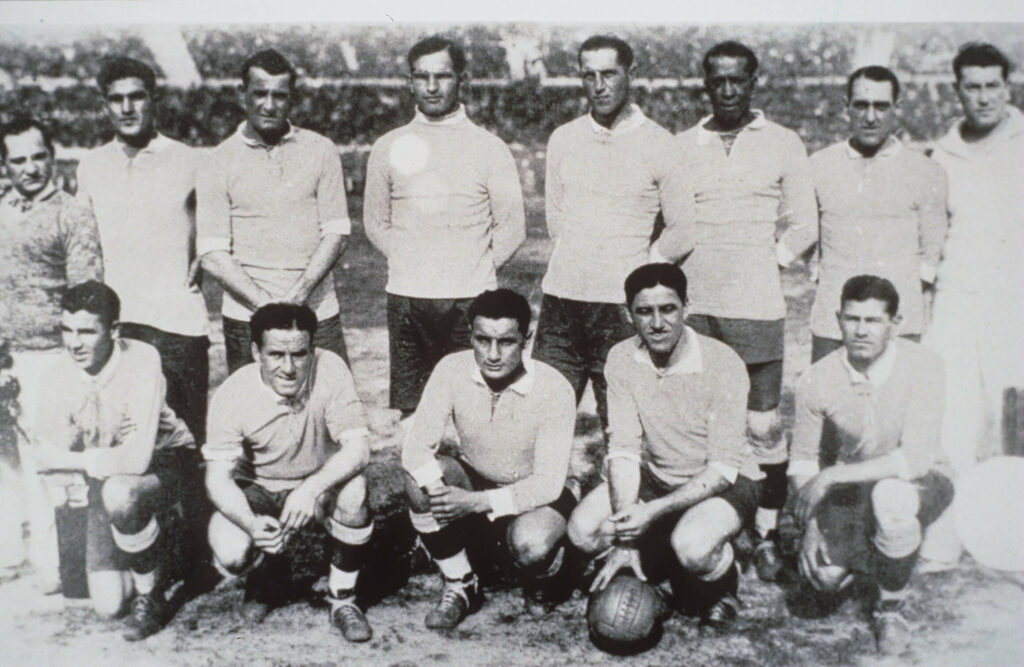
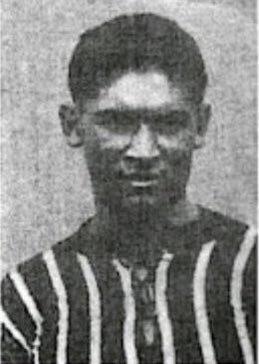
Snapshots of Modernity shows how Uruguay became a powerhouse in soccer by hosting the first ever World Cup in 1930. The article shows how photography helped Uruguay present itself as a modern in progressive nation during its centennial celebrations from its independence of Brazil.
The photographs help highlight, new stadiums, huge crowds, and heroic athletes, who is symbolize technological advancements and a civic unity. The images of packed stands and thrilled spectators, suggested a Democratic participation which portrayed soccer as a shared national experience, that appeals to all sorts of class divisions. They emphasize masculine athleticism, respectable femininity, and racial struggles.
Acuña shows that the World Cup is within a broader political context. Uruguay used the tournament and the images that circulated around the world as a way to enhance their international prestige and to show their political stability. As well as how football photography functioned as a way of showing both domestic and foreign audiences how to perceive a nation. In the end, the 1930 World Cup photographs show that there is meaning to these images as they helped construct a narrative of Uruguay as a modern democratic and unified country as well as how sports and media shaped national identity during the early 20th century.
– Abraham Cruz-Hernandez