Category: Wk09-Fandom and Mythmaking

  • Week 9- Football as a Spectacle

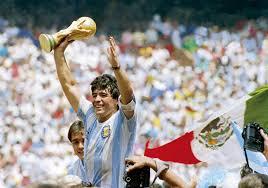
    In Golazo Chapter 9, the focus is on how outside influences begin to control the game. The title itself suggests that something beyond the players is pulling the strings, and that idea shows up constantly. Organizations like FIFA, along with television networks and sponsors, begin to shape how football is played and how it is perceived by its audience. What stood out most to me is how the game began to feel less spontaneous and more managed tactically around this time. Even so, players like Diego Maradona still break through that system. His performance in the 1986 FIFA World Cup felt like something from a different world, showing that individual brilliance can overpower the growing control of institutions and media. At the same time, the chapter highlights how the World Cup becomes increasingly commercial and global. By the 1994 FIFA World Cup, football was no longer just a sport, but also a business due to its preestablished global popularity. This connects directly to the ideas in The World Cup as World History where the World Cup is described as one of the largest shared experiences on Earth.

    In The World Cup as World History, pages 149-157 emphasize how media, especially television, transformed football into global entertainment. What stood out in this text is how the experience of watching becomes just as important as the game itself. Camera angles, replays, commentary, and storytelling all shape how fans understand matches. The World Cup becomes a stage where nations perform identity, pride, and power in front of a global audience.

    The main theme across both readings is that football is no longer just about what happens on the pitch. It is shaped by media, money, and politics, and it has turned into a global spectacle. While moments of magic from players still exist, they now happen within a system that is carefully constructed and controlled.
  • Week 9

    Reading The World Cup as World History and Chapter 9 of Golazo! made me think differently about the fan experience, especially how the readings describe stadiums almost like “cathedrals.” That idea really stuck with me as it captures what a fan feels. Fans aren’t just watching a game they are a part of something emotional and collective, the chanting, the energy, and the colors it almost feels like a ritual.

    What I found interesting is that even though both readings talk a lot about commercialization of sponsorships, FIFA’s power, and the global business side of football, that is not really how fans experience it. From a fan’s perspective, the World Cup is about national identity and pride. It’s more about representing where you are from, that emotional side is what gives the event true meaning and draws in billions of spectators.

    At the same time, there’s definitely a disconnect whilst fans are treating these moments like something sacred, the system behind it is more about money and control. Golazo! talks about how players move all over the world to play in different leagues, which can make teams feel less national in a way. Yet when the World Cup happens, fans still fully buy into it that sense of connection doesn’t go away.

    I believe both perspectives highlight the crucial role fans play. Without them, the World Cup’s significance would be diminished, regardless of the financial stakes. The “cathedral” concept sums it up for me; football may be a worldwide enterprise, yet for the supporters, it retains a personal quality

  • Cathedrals of Football: Stadiums, Crowds, and the Power of the World Cup

    One of the most interesting ideas in Chapter 9 of Golazo! is how soccer became much more than just a sport in Latin America. Over time, football evolved into a massive public spectacle that represents national identity, pride, and culture. Instead of simply being a game played between two teams, soccer became something that entire countries rally behind, especially during major tournaments like the World Cup.

    This idea connects strongly with the concept of football as a global spectacle described in the reading. Modern football is often presented almost like entertainment or theater, where the excitement of the match, the atmosphere of the stadium, and the drama of the players all come together to create a larger experience for fans. The game itself is important, but the environment surrounding it, the massive crowds, the iconic stadiums, and the emotional investment of fans make football feel much bigger than a normal sporting event. The World Cup, in particular, attracts millions of viewers and fans around the world, turning matches into shared global moments.

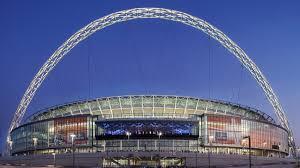
    Another key part of this spectacle is the role of stadiums and crowds. The reading explains that some stadiums have almost mythical status because of the huge crowds and historical matches they have hosted. For example, famous stadiums like the Maracanã in Brazil or Wembley in England are often described as “cathedrals” of football because of the emotional energy they generate during big games. These stadiums are not just buildings where games are played; they symbolize national pride and the importance of football in a country’s culture.

    Campomar also shows how this passion for soccer developed in Latin America through decades of competition and cultural influence. Countries such as Brazil, Argentina, and Uruguay helped shape the global identity of football through their style of play and legendary players. As these nations became successful in international tournaments, soccer increasingly became tied to ideas of national greatness. Fans didn’t just support teams; they supported the reputation of their country on the world stage.

    Overall, both readings show that football’s evolution has transformed it into one of the most powerful spectacles in global culture. The sport brings together massive crowds, iconic stadiums, and national pride in a way that few other activities can. Because of this, the World Cup is not simply a tournament; it is a global event where sport, culture, and identity all come together.

  • Why the World Cup is the World’s Biggest Product

    One of the most interesting parts of Chapter 5 in The World Cup as World History is the idea that football isn’t just a sport anymore—it’s something we buy and sell. For over 150 years, the game has been “packaged” like a product. Whether it’s the skill of the players or the excitement of the match, everything about the World Cup is designed to be watched and enjoyed by a global audience. It has become one of the most successful “products” in modern culture.

    Today, how we “consume” football has changed because of technology. In the past, fans only cared about simple things like goals or corner kicks. Now, we are flooded with data, like how far a player ran or how many passes they completed. We don’t just watch the game; we discuss it on the internet, watch experts analyze it on TV, and even bet on it. This makes the World Cup a 24/7 business that exists far beyond the 90 minutes on the field.

    Another big point is how we look at the players. They aren’t just athletes; they are like characters in a movie. The media describes them as heroes or villains. This makes the game feel more personal and exciting, which helps sell the “story” of the tournament to people all over the world. By turning players into celebrities, the World Cup becomes a global drama that everyone wants to follow.

    Finally, the stadiums themselves play a huge role in the “show.” Some of these famous buildings, like the Maracanã in Brazil or Wembley in London, are treated like “cathedrals” or holy places. A great example is the Centenario stadium built for the first World Cup in 1930. Uruguay built it to show the world they were a wealthy and modern country. These massive stadiums are more than just places to play; they are symbols of national pride that make the tournament feel legendary.

  • Week 9: Mythmaking and Fandom

    For this weeks readings, we were assigned “Golazo!” chapter 9 and “The World Cup as World History” chapter 5. Both of these chapters focus on the mythmaking behind the biggest names in soccer, and even the myths that surround the sport itself. As media becomes more accessible to those around the world, these soccer stars become the center of stories and narratives of the people who watch this sport, and oftentimes this comes with expectations that players can’t live up to according to their fans.

    There are so many ways to enjoy soccer, with streaming platforms and highlight clips on YouTube for example. Analysts break down play by play of a game, and through this you get to learn how a team functions and what their strengths and weaknesses are, and even how players act on the pitch. With access to all of these games at home, nothing beats the atmosphere and experience of sitting in on a game in person, hearing the crowd roar as goals are scored and seeing the excitement ripple through the stadium. Seeing the reasons the first modernist stadium built for the 1930 World Cup in Uruguay and how its connection to the cultural history of the country helped FIFA host the first World Cup there, and how it symbolized not just the country, but its people and what they represented.

    Fan experience plays such a critical factor in whether players and stadiums alike gain this mythlike status, and when a stadium presents fans with one of the most indescribable encounters, its easy for it to gain notoriety and fame. With all of this notoriety comes those who would use this sporting platform for political purposes, like the terrorist attack near the Stade de France stadium in Paris in 2015, though soccer has long been at the center of international politics.

    One final point would be that as the World Cup garnered more and more attention since its inception in 1930, host countries especially use the “sports tourism” method of promoting games, by promoting the games themselves alongside what experiences the local areas have to offer, in order to entice these tourists and gain a little extra revenue on the side. With the modern era of streaming rights, having this access at home makes the in-stadium experience slightly less desirable, especially with rising ticket prices for World Cup matches and how unaffordable they are for the average enjoyer of soccer. At home or in the stadium, people still have that connection to their national team, and the ones who represent it carry the entire countries hopes of winning on their shoulders.

  • Ronaldo’s Success and Downfall

    By: Abraham Cruz-Hernandez

    In Golazo, Chapter 9 it deepens the focus on the dramatic and mysterious events that surrounded the final of the 1998 World Cup around Ronaldo. It centers around the sudden medical crisis before the match. At the age of 21, Ronaldo is described as one of the best players in the world, combining his speed, strength, and extraordinary skill. His rise from his childhood from poverty in Rio de Janeiro to professional athlete highlights both his natural talent and his relentless scoring ability across European clubs.

    This piece emphasizes how Ronaldo’s style reflects Brazils broader national identity. Expressive, confidence, and joyful. Despite intense pressure and fame. He remained focus on enjoying the sport and proving himself to the world and his haters. As Brazil heads into the 1998 World Cup, Ronaldo symbolizes both the teams immense talent and their ambition to win their fifth title, bringing their own signature joy and flair to the global stage.

  • The Weight of a Nation: Passion and Pressure in Soccer

    Soccer creates a viewing experience unlike almost any other sport, largely because of the emotional intensity surrounding it. The global nature of the game, combined with the national pride tied to international competition, produces an atmosphere that can feel overwhelming when experienced in person. Massive crowds filling some of the world’s largest stadiums and millions more watching on television contribute to an environment where the energy of the fans becomes part of the spectacle itself. Events like the FIFA World Cup highlight this phenomenon, turning matches into global moments where entire nations become emotionally invested in the outcome. In this environment, the interaction between fans and the game goes beyond simple entertainment and becomes a powerful collective experience.

    A major reason for this intensity is the way international soccer connects athletic competition with national identity. When a national team plays, supporters often feel that their country’s pride and reputation are at stake. This connection explains why soccer fans are known for their passion around the world. The emotional investment that supporters place in their teams can create an electric atmosphere in stadiums, but it can also lead to more extreme forms of behavior. One example is the phenomenon of hooliganism, which became widely associated with English soccer during the 1980s and 1990s. Although this violence is widely condemned, it reflects how strongly some fans identify with their teams and how seriously they take the symbolic battle between nations or communities on the field.

    The intensity created by this fan culture does not remain confined to the stands. Players themselves must perform under the enormous pressure created by national expectations. This dynamic is explored in Golazo! through the story of Diego Maradona. In Argentina, Maradona was celebrated as a national hero after leading the country to victory in the 1986 FIFA World Cup. However, his career was later overshadowed by scandals and controversies that complicated his legacy. While he is still remembered as one of the greatest soccer players of all time, the intense public admiration he once received faded in his later years.

    Maradona’s story demonstrates how the same passion that fuels soccer’s global popularity can also place enormous pressure on the players who represent their countries. The expectations placed on them reflect the deep emotional investment of fans, showing how closely the experiences of supporters and athletes are connected. Ultimately, the intensity of soccer culture shapes both the crowd and the players, making the sport not only a game but also a powerful expression of national pride and collective emotion.

  • What Soccer is?

    Soccer is one of the most if not the most widespread sport played throughout the world. Like almost every sport, it has undergone many changes throughout its lifespan, both in categories such as rules, but also in how it is viewed by fans and the world.

    Soccer used to be relatively hard to access especially in certain countries. Before the matches were televised, one either had to go and watch the game in person or hope that there would be newspaper coverage afterwards. As time has progressed accessibility to the sport has increased respectably. As such, what soccer is and what it means to people has also changed. For many soccer started out as a way to form and find community for people. Immigrants in America would often play soccer to keep their communities alive or people would join soccer groups to join said community.

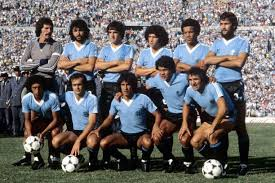
    For other’s like in Uruguay during the 1970s and 1980s soccer was a form of expression. It was an outlet that allowed people to forget about their worries, but also speak out against them.

    Overtime, soccer has become more of a spectacle. This can be seen through events like the World Cup, where the entire world gathers to watch their teams compete. Due to this widespread importance placed upon the sport it has naturally become more available to more people. People who are not hardcore fans can now read countless articles and look at countless statistics in order to understand the game and its many intricacies often without even having to watch an actual game.

    Due to all of this availability, information, and different ways to consume the game, soccer’s fanbase has continued to grow larger and larger. This leads to an increase in crowds, merchandise purchases, etc… which allows soccer to continue to expand due to the increased revenue.

    In conclusion, soccer is an ever expanding sport. More and more people start to consume soccer in some way, each year. This is a compounding cycle, that allows soccer teams to continue to expand. What was once difficult to understand, watch, or keep up with, has become one of the largest and most widespread markets in the world

  • Kingdoms & Kings

    As someone who has been around the beautiful game nearly my entire life there is no denying its importance to the Billions of people around the globe who are immersed in the sport.

    This week our readings shifted focus to the fandom side of Soccer. Our readings this week from Golazo! and The World Cup as World History took us through the metaphorical pageantry of the sport.

    As much as sport is sport it also mimicks our way of life, our fantasies, our violence, and our prosperity… sport is war. Both on a micro level and a macro level the sport shapes the way that we interact with one another – from the hooligans of English football to the political manifestation in Argentina, Uruguay, and Brazil the sport will always mean something to someone.

    Although referred to as “Cathedrals” in our text to convey their importance I liken stadiums most to a kingdom (plus who doesnt like a little bit of alliteration in the title). These are the places that are crafted so beautifully to showcase their country/clubs prosperity, its where the people of the kingdom come together to cheer and celebrate. This is where the people come together, sing, chant, celebrate, and fight. I dont think there is anyway to hide how important these places are to the many people who occupy them.

    El Sueño del Pibe – The Kings

    These are the people who are loved and hated, put on a pedestal or spit on. The text talks a lot about the creation of these kings/legends, the way they fit different archetypes or stories. For so many reasons these people are believed to be the greatest (or overrated). Im not sure why but my inclination keeps going back to a quote from Ted Lasso from Roy Kent “Football is a game you played as a kid cause it was fun” (a little less colorful than the original quote). Maradona was just a pibe who played the game because he loved it – he wanted to win a World Cup for his country and he did, Im not sure it gets much more beautiful than that.

  • Cathedrals and el pibe Wk 9

    Both readings had many similarities in them. They both seemed to have focused on symbolism in the game of soccer. What the readings did was use symbolism with one being used for economic purposes. One reading focuses on a song while the other focuses on how the stadiums were viewed as cathedrals. Even though both go into deeper details and other topics, these two topics are what ended up getting attention. Golazo! Focused on “El sueño del Pibe” and The World Cup as World History focused on how people religiously viewed the stadiums. And they do not hold back on how politics played a part in it.

    In The World Cup as World History, It goes over how the people were excited for the matches.  During the reading it reveals how certain terminology was being used to describe the stadiums. It mentions places like the Maracaña in Rio de Janeiro and Wembley stadium in London. Terminology like the cathedral was being used as religious imagery to describe the emotions of the fans. In 1930, Uruguay would build stadiums that would show how economically well they were doing. As shown here, they did not withhold the opportunity to show Uruguay was doing apart from the game of soccer. 

    In Golazo!  It goes over how a 10 year old kid during a soccer match impressed the crowd with his ball juggling skill. A reporter later approached him and asked him what his dreams were. In his response he said, first, he wanted to go to the world cup and second was to actually win the world cup. Years later, a nostalgic appearance occurred when a song, written by Ronieldo Yiso and Juan Puey called “El sueño del Pibe.” It tells a story about how a kid was called up to play for a soccer club.

    To conclude, these readings do a good job in bringing an image to the readers. It reveals how powerful these symbols were for soccer fans. And it did not fail to bring nostalgia to the crowd. It solely does not just talk about soccer, but actually puts the focus on the fans of the sport. And finally, it allows the reader to understand what goes on behind the stands.

css.php