I quite enjoyed the Simon Critchley reading, “Working-Class Ballet.” Not only does he raise many interesting point of views and dives deep into many topics, such as the political analysis of soccer throughout it’s history in the Premier League and the World Cup, the need and purpose of grace when playing the sport, as well as captivating anecdotes about him and his father’s relationship.
However, one of the biggest things he talks about and alludes to is the topic that I found the most interesting, and the topic that connects with the other readings we have, is the sense of hope and excitement that we get going into a new season of a sport. No matter how bad or how good the season before was, there is a sense of hope in every single fan that things will be even better, and if not, there will still be some enjoyment to it.
The reason I found this so captivating (not only because of how true it is,) but because I find it ties so well into the themes of heroes and villains in the World Cup. This sense of hope we receive, aswell as the existence of heroes and villains within the sport creates sort of a “narrative” that we are experiencing. A story, or maybe a captivating performance. Viewers of a spectacle of any kind become glued to a storyline or a narrative that is not only easily digestible but also enjoyable for the sake of the history of the sport. Having heroes and villains gives us an easy way to showcase a story that the league itself or the fans of respective teams can push, reinforce, and enjoy.
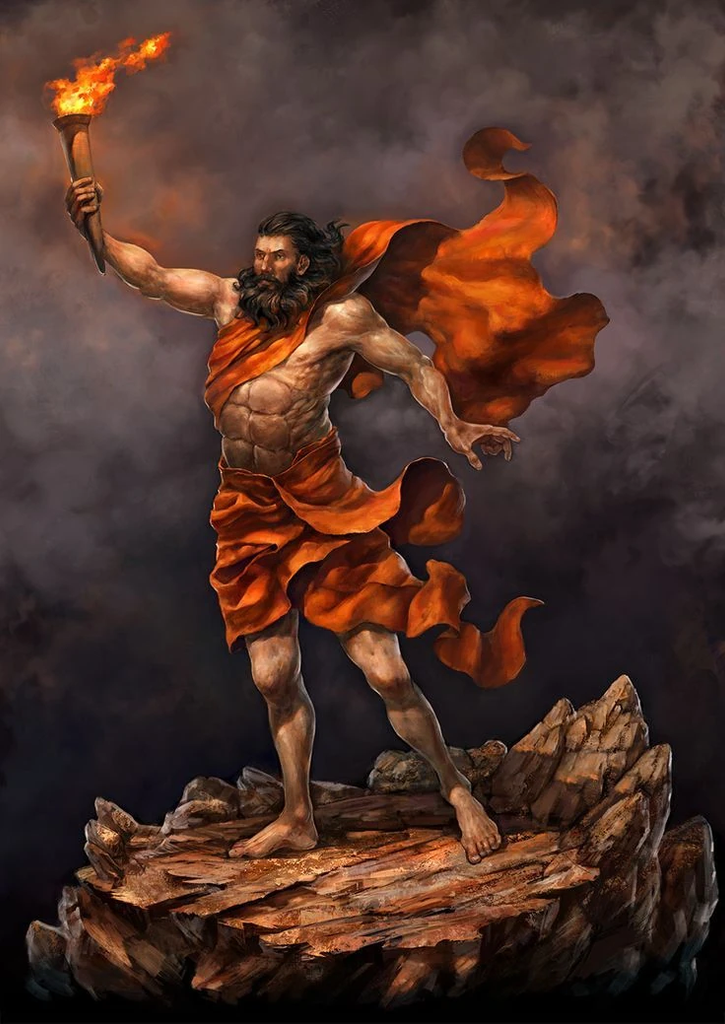
I included an image of Prometheus, which Critchley makes reference to in his article for the sake of showcasing that the feeling of a disappointed season never truly lasts, as the hope for the new season, with endless potential provides. I think that the inclusion of this quote of Prometheus of giving “blind hopes” ties both the phenomenon of hope in a new season and the narratives that we create into an easily understandable and poetic connection.

Leave a Reply