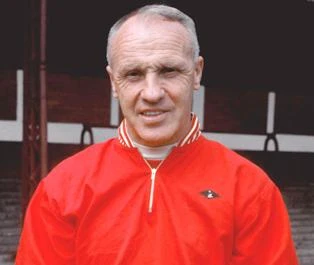
Shankly’s remark is perhaps one of the most famous quotes in the history of the sport, plastered on countless posters and signs. But what is it about soccer—football—calcio—futebol—fútbol, etc … that excites so many people, and stirs irrational passions around the globe?
The “beautiful game” is the world’s most popular sport. The men’s FIFA World Cup is the largest televised/streamed sporting event — viewed by over 3 billion people every four years. Women’s soccer has also seen enormous growth over the last decades. In our living rooms, EA’s FIFA series (now renamed EA SportsFC) remains a top-selling video game. Here, in the United States, more children play soccer than any other sport. Major League Soccer is almost thirty years old, the USL is introducing promotion and relegation, and Appalachian FC has been a hit in Boone.

The Fédération Internationale de Football Association (FIFA) markets the World Cup as an event to bridge cultures and unite the world. In 2026, the tournament will return to North America. The host nations—México, the United States, and Canada—are intimately tied throughout history, but their relationships can sometimes be strained. Will the 2026 edition produce moments of fraternal celebration, or deepen political divides?
In HIS 3538, we will examine soccer as a field of research. Students will analyze primary and secondary source materials, discuss sports history scholarship, explore multimedia sources, and, ultimately, research a topic that situates fútbol in world history.
[Oh, and we’ll watch some games (i.e. primary source analysis) ahead of the World Cup!]

Eduardo Galeano, Soccer in Sun and Shadow
Men’s World Cup Logos – 1970 to Present