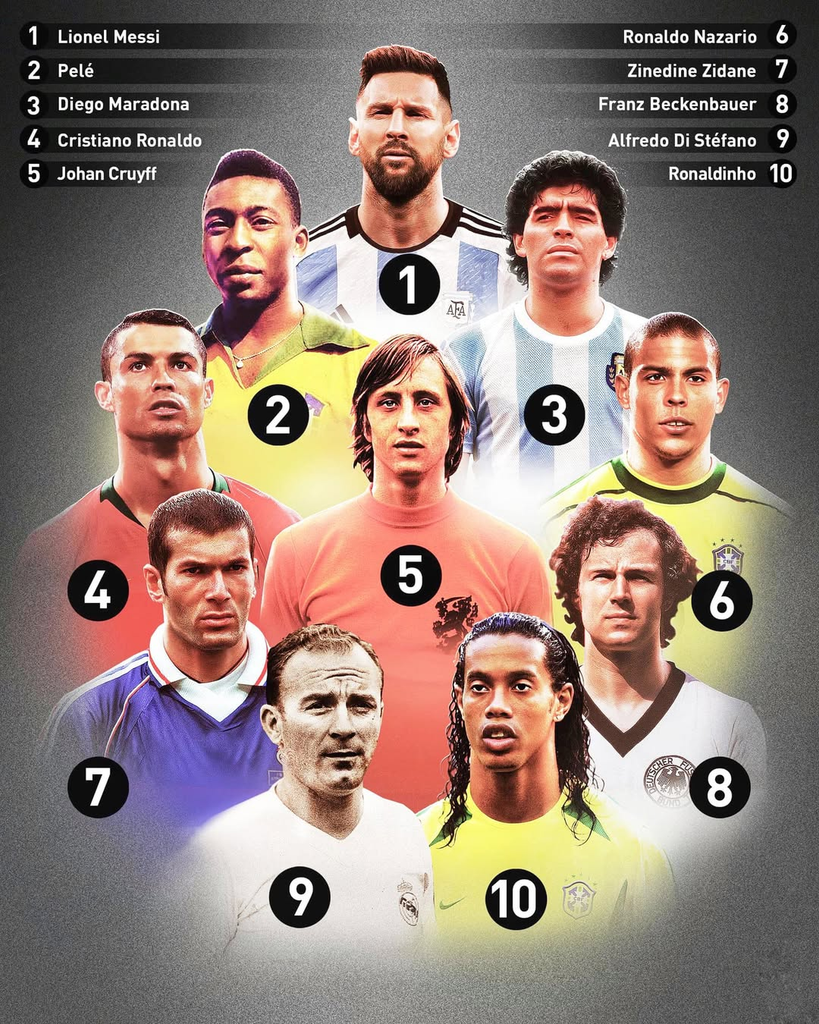
This week’s readings really focused on the idea of fandom in soccer and how fans help turn players into legends. In The World Cup as World History and Chapter 9 of Golazo!, the authors talk about how the passion surrounding soccer doesn’t just stay on the field. Instead, it creates stories, myths, and huge reputations for players. Soccer has always had star players, but because the sport is so global, those stars become known around the world. Players like Ronaldinho, Lionel Messi, and Cristiano Ronaldo aren’t just famous athletes, but soccer icons.
One thing that stood out to me in the readings is how much fans contribute to the creation of these legends. Players obviously have to be talented, but their reputation really grows through the stories fans share about them. Diego Maradona is probably one of the best examples of this. He grew up in a working class neighborhood in Argentina and eventually became known as “El Pibe de Oro,” or “The Golden Kid.” That kind of background makes his success feel more story based, and makes the fans root for the “underdog”. As Bowman explains, star players in soccer are often seen as characters like heroes and antiheroes, which makes the game feel like more than just a sport. When it is thought about that way, a soccer match almost feels like a performance where fans are watching a story unfold in real time.
At the same time, the readings also show that this level of passion can have a darker side. When fans become extremely invested in their teams, rivalries can sometimes turn into violence. Soccer hooliganism is one example of this, where groups of fans look for fights with supporters of rival teams. While this doesn’t represent most fans, it has still been a part of soccer culture in several countries. One of the most tragic examples happened at the 1985 European Cup Final between Liverpool and Juventus. During the chaos between fans, a wall collapsed and thirty nine people were killed. It’s a reminder that while soccer can bring people together, the intensity of fandom can also go too far.
Overall, these readings made me think about how unique soccer culture really is. Fans don’t just watch the sport, they actively shape it. Their passion helps create legends and unforgettable moments, but it also shows how powerful sports can be in bringing out strong emotions in people. In many ways, soccer isn’t just a game, it’s a global story that both fans and players make into legend.

Leave a Reply