Category: Wk10-heroes and villains

  • The Fans’ Experience and Views On Players

    I tried to make this post have a more formal style of introduction, but I’ve realized, especially with the topic of fandom being one that fascinates me immensely, this is not going to be happening.  

    I find it interesting how the Critchley article talks about fandom, and especially with how it is passed down in families.  He mentions how he is a Liverpool fan because that is where his family is from, and that was where his father played for a little bit.  One part of this article that I thought was particularly striking was how he mentioned that when his son was born that he essentially forced him to be a fan of Liverpool as well.  That part, while coming off in the article as a humorous moment, captures such a major part of fandom to me.  That being family identity and influence.  Now, I relate to this as my dad did the same thing to me, though it wasn’t with soccer.  My dad forced my siblings and I to be fans of the New York Yankees from the moments we were born (sorry to every baseball fan in existence, except for Red Sox fans).  Fandom being passed down is such a major part of fandom, and while it was mentioned off-handedly, I think it is such an essential part of the fan experience.
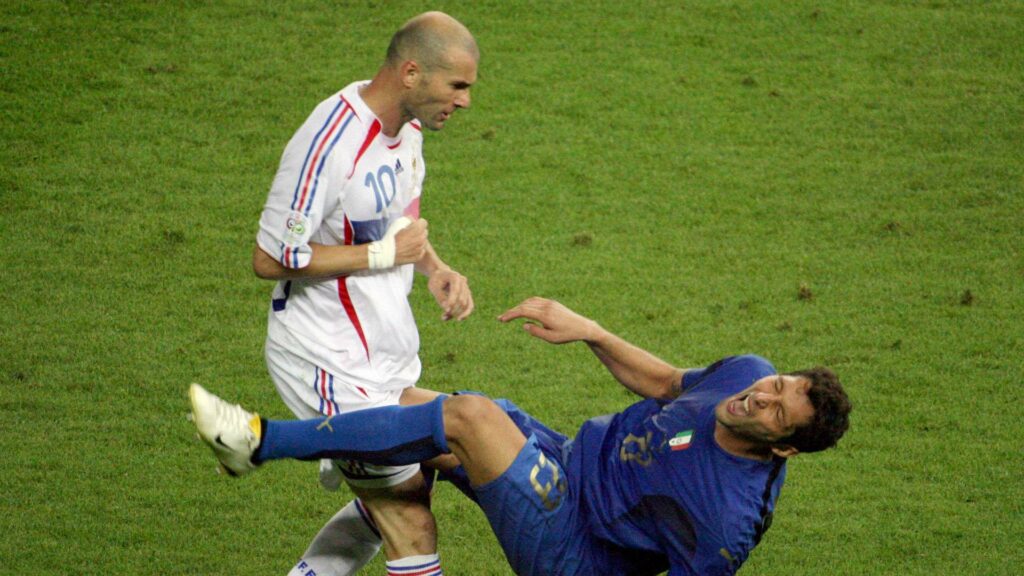
    Zidane headbutting Materazzi in the 2006 World Cup Final.

    Another thing I find interesting about fandom is how some players are viewed as heroes to some fans, and to other fans those same players are seen as villains.  Players like Zinedin Zidane, who was portrayed as a hero in the Critchley article, but in Bleacher Report’s top 25 villains in World Cup history, he was listed as the number 7 villain for headbutting Marco Materazzi.  That headbutt is also interesting as Critchley stated that the world “was wishing that he had head-butted Marco Materazzi even harder.”  Marco Materazzi is also listed as number 6 in that Bleacher Report article, which shows how many people dislike that guy.  Players can be seen by different fandoms as heroes, or as villains, which is another key aspect of the fan experience, in my opinion.

    All in all, I think that these two articles really showcase how the fan experience is, with the more personal aspects listed in the Critchley article, to the typical fan list style of article that Bleacher Report published.  Fandom is one of the most important aspects, not just to the sport of soccer, but to all sports as a whole.

    By Tommy Oneto
  • What is a hero

    “World Player of the Year. It’s a title with few rivals in the international arena: pope, for sure; president of the US, perhaps.” There is no messing around when it comes to the fame of the top footballers in the world. Messi, Ronaldo, Maradona, Pele, etc. are household names in the many corners of the world.

    So what makes someone like them a hero?

    Is a hero someone that can dribble and entire team before slotting a goal past the keeper like the likes of Messi or R9, is it someone who can play with tremendous flair like Neymar jr., does this title fall upon the greatest personalities in the sport such as N’golo Kante or Mohammed Salah.

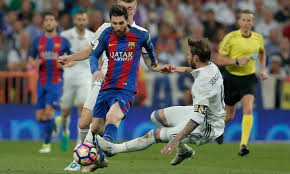
    My hero growing up was Sergio Ramos and in the stories of many others he is a villain. I loved him for the same reasons so many others hated him. He played hard, he was scrappy, he had an attitude, and he left it all on the field for his team. “I was running after Morata as fast as I could. At one point, I heard a voice in the distance saying “KILL HIM”…It was Sergio Ramos.” This quote from Valverde just about sums up Ramos. Is he a villian? sure. Is he also a hero? of course.

    The World Cup has had many heroes and many villains, in fact I believe that in order to be a hero, you must also be a villain.

    Looking at the “World Cup’s 25 biggest villains of all time” I think it is entirely possible to consider some of these people as hero’s – that is at least someone’s hero. Now as delicious as Chiellini’s shoulder may be, I am not here to defend his biting habits, however I think there is definitely an argument to be made that Suarez’s actions (handball) against Ghana could be considered heroic.

    The “hand of god” is another great example of the heroism of a villainous act, one that also considers the political influence. Argentina and England have a rocky history to say the least, and Maradona’s hand of god is a great example of political defiance. Now of course to the English (sorry Dan) this is the act of a villain, however I would be curious to see how the Argentinians felt about it. Plus can we really count this against him, it was God’s hand anyways…

    There are countless examples of villains in our reading this week and I want to re-emphasize my point from before to conclude my post – I believe that the villians to someone are the heros to someone else.

  • Football as the International Spectacle

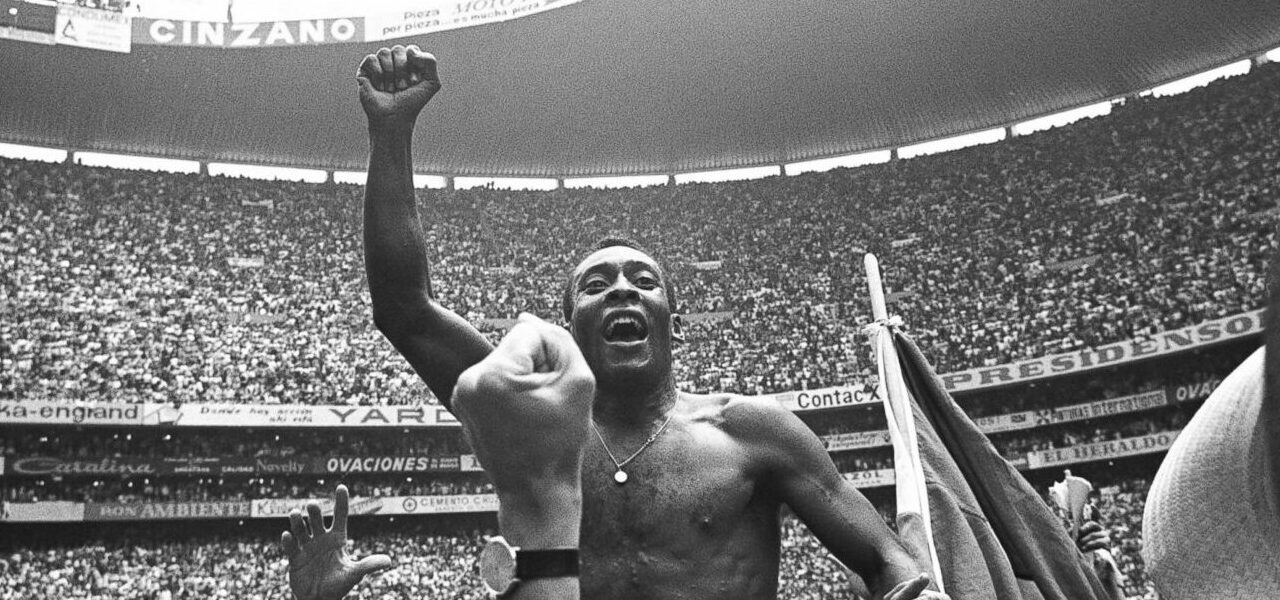
    Pelé celebrates his third World Cup at the Azteca Stadium in Mexico City

    What stood out to me in the readings for this week was the intensity of fandom and how much soccer/football means to many people as a spectacle. The intensity of fandom results in star players that have become famous along with star villains that are infamous. For instance, one of the articles depicted 25 of the World Cups biggest villains, Dobromir Zhechev of Bulgaria who performed “the most legal form of assault on one of football’s most esteemed icons,” which refers to a physical move on Pele who was forced to miss the second group fixture through injury. This earned him a spot at number eighteen on the list. The “Working-Class Ballet” article describes an intense love of Liverpool from an English man, Simon Critchley, a philosopher who felt Liverpool best represented him with a desire to make Liverpool a bastion of invincibility in the world of football. The intensity of his love for Liverpool even went as far to quote Prometheus in the article itself, weaving in philosophical elements to his introspection depicted in the article. The undying loyalty of fans and the creation of both heroes and villains alike in the grand spectacle of football reverberates the passion that ultimately fuels the sport in both the player and the spectator. The spectacle of football is not lost on the player either, with Maradona reflecting on the “hand of god” incident in 1986 playing for Argentina against England. Maradona had said that it was as if they had beaten the country of England, rather than just beating their national soccer team, avenging the Argentines that had been killed as result of the Malvinas war. These sorts of anecdotes give life to the spectacle of the international game of football, creating an atmosphere that is more than just the sport itself, involving aspects of personal life, political events and meaning that imbues the game with a repertoire of moments that remain memorable long after the heat of said moments passes. The video that was linked with the Ballet article showcases the elegance of play from Zinedine Zidane which highlights another aspect of the spectacle of football which is the footwork that goes into some of the greatest moments in football history, creating opportunities for stunning plays that make the stadium echo with the roar of passionate fans. 

  • Week 10 Blog Post

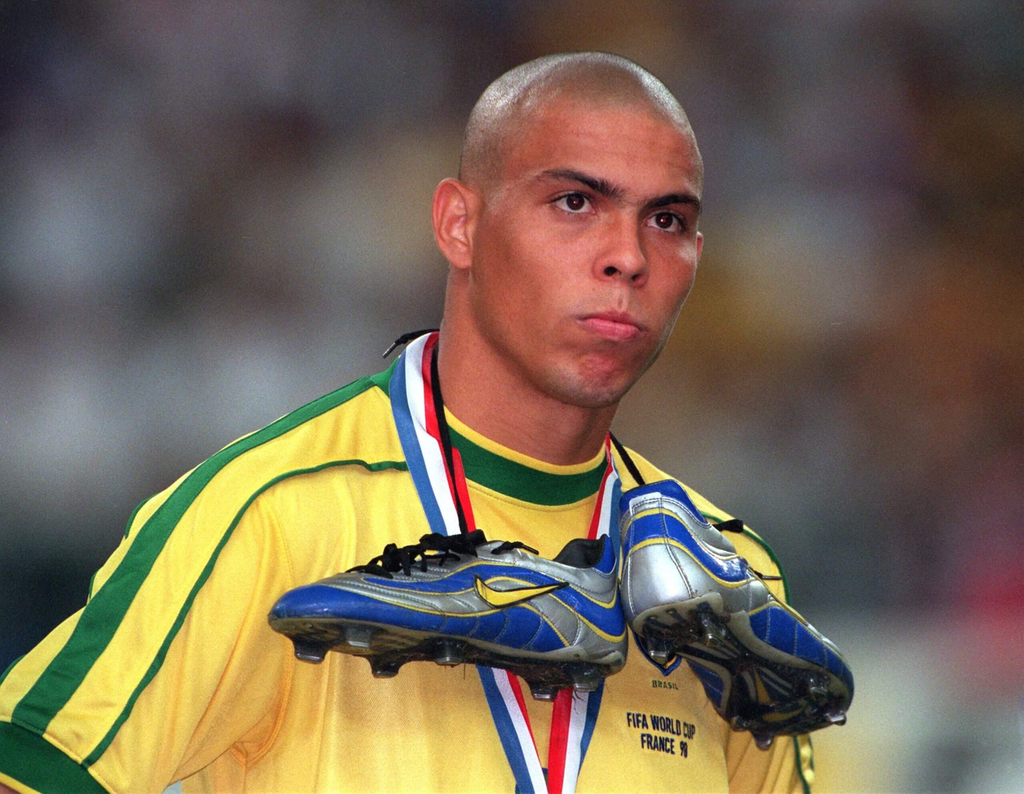
    There’s a word Brazilians use that doesn’t translate cleanly into English: alegria. It means something close to “exuberant joy,” but that definition doesn’t quite do it justice either. You know it when you see it, and in the summer of 1998, the whole world saw it every time a 21-year-old kid from a windowless house in Rio stepped onto a soccer pitch.

    Ronaldo was, by any honest measure, the most exciting player on the planet. Two FIFA World Player of the Year awards. A reported $110 million commitment from Inter Milan. Bobby Charlton calling him the best in the world, without question, on a talk show in Tokyo. The guy made a UN website crash just by showing up on it. In Italy, teammates fell to their knees after his goals and polished his boot with imaginary shoeshine rags.

    But here’s the thing about the World Cup that Ronaldo himself seemed to understand even then. Having the best players and winning are not the same thing. He said it himself, comparing Brazil to the Dream Team. Everyone knew they were better, but they still had to prove it. And that gap, between brilliance and proof, is exactly where the tournament lives. It’s what turns great players into legends, and sometimes into something else entirely. The World Cup has a long memory for both.

    Think about how many of the game’s most gifted figures have cracked under that same pressure. Maradona scored arguably the greatest solo goal in World Cup history against England in 1986 and in the same game, punched another one in with his hand. Zidane, in the final minutes of the 2006 World Cup final, headbutted Marco Materazzi in the chest and got sent off, throwing away a trophy in his last-ever act for France. Luis Suárez blocked a goal with his hand to knock Ghana out in 2010, then four years later bit an Italian defender on the shoulder in the middle of a group stage match.

    I don’t think the World Cup simply reveals talent I believe it reveals character, and sometimes the two aren’t living in the same house. Ronaldo in 1998 was pure alegria. The pressure hadn’t quite shown its teeth yet.

  • The Individuals of Soccer

    Soccer as such a captivating and gripping worldwide sport creates numerous moments, memories, but perhaps most iconic are its players. Soccer like other sports, such as the NBA, creates legendary figures that grow to have an almost cult-like following. However, these figures and their fandom spread even further, as a worldwide sport. With any sport these figures are comprised of both heroes and villains, with each earning their respective love and hate due to their actions, personality, play style, success, etc… These individuals make up the sport as much if not more so than the actuals teams.

    In soccer the players often transcend their team itself. These heroes become so loved that even if they eventually leave the team, the fans of the team, locals from their area, and prior fans of the player stick around as fans. These players garner so much respect that when you ask someone what they know about a sport such as soccer, if they don’t follow it they are as likely if not more so to name off a player rather than a team. These players often represent the culture of the team and area that play for. They become intrinsically tied to the local life as someone that you root for and in cases of the best players you idolize. They can become ambassadors of not only their team, but the sport in general.

    If there are heroes in soccer than there must also be villains in soccer. In regards to the term villain, there are two major categories of a villain in a sport. There are those that are not necessarily villainous, indeed for some they would be the hero. These are often defined by their success either in championships or against a specific team, thus making them a villain to the teams they beat and a hero to the team they are on. There are also villains who are in fact villainous. These players are more so recognized for their foul play, cheating, and often unlikable personality. Whatever the case, having someone to root against is often just as important as having someone to root for. It provides another way to enjoy the sport, you can celebrate when someone you love succeeds and root for them to do so regardless of the team and vice versa you can root for someone to fail and not necessarily dislike their team.

  • Why do we Keep Coming Back to Soccer?

    I quite enjoyed the Simon Critchley reading, “Working-Class Ballet.” Not only does he raise many interesting point of views and dives deep into many topics, such as the political analysis of soccer throughout it’s history in the Premier League and the World Cup, the need and purpose of grace when playing the sport, as well as captivating anecdotes about him and his father’s relationship.

    However, one of the biggest things he talks about and alludes to is the topic that I found the most interesting, and the topic that connects with the other readings we have, is the sense of hope and excitement that we get going into a new season of a sport. No matter how bad or how good the season before was, there is a sense of hope in every single fan that things will be even better, and if not, there will still be some enjoyment to it.

    The reason I found this so captivating (not only because of how true it is,) but because I find it ties so well into the themes of heroes and villains in the World Cup. This sense of hope we receive, aswell as the existence of heroes and villains within the sport creates sort of a “narrative” that we are experiencing. A story, or maybe a captivating performance. Viewers of a spectacle of any kind become glued to a storyline or a narrative that is not only easily digestible but also enjoyable for the sake of the history of the sport. Having heroes and villains gives us an easy way to showcase a story that the league itself or the fans of respective teams can push, reinforce, and enjoy.

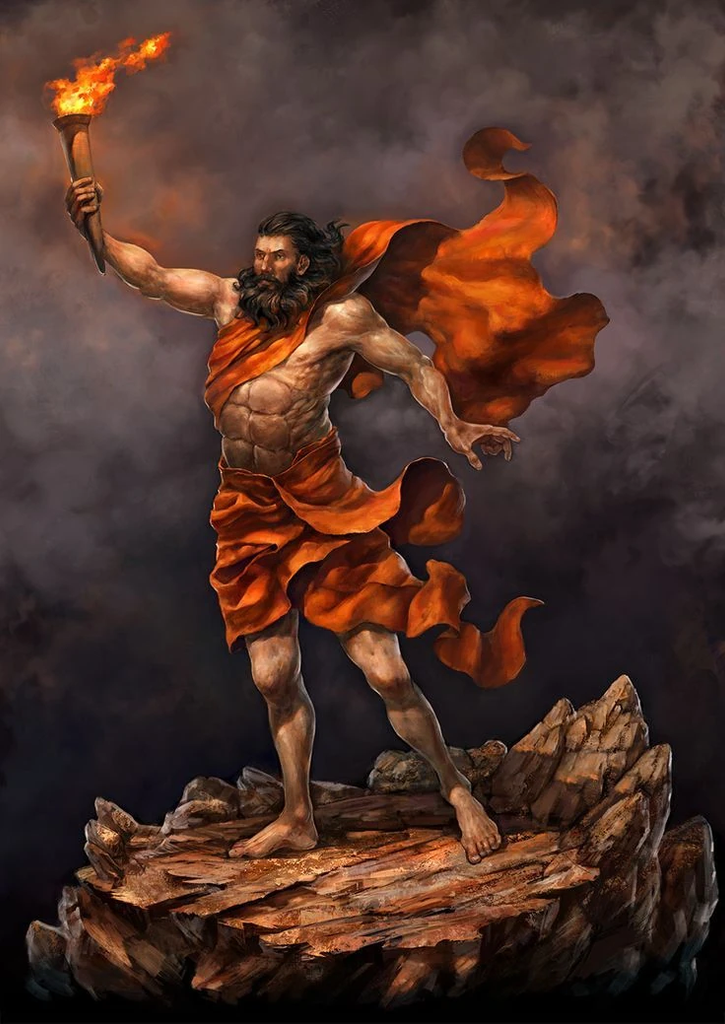
    I included an image of Prometheus, which Critchley makes reference to in his article for the sake of showcasing that the feeling of a disappointed season never truly lasts, as the hope for the new season, with endless potential provides. I think that the inclusion of this quote of Prometheus of giving “blind hopes” ties both the phenomenon of hope in a new season and the narratives that we create into an easily understandable and poetic connection.

  • hope and soccer

    Zinedine Zidane - Simple English Wikipedia, the free ...

    This week, our reading covered Simon Critchley’s article “Working Class Ballet.” His article discusses the significance of soccer in his life. He and his father bonded over the sport, and it was largely what brought them together. He views soccer at three levels: personal, political, and aesthetic. Critchley sees soccer as an incredibly important source of collective identity, specifically in the working class. The games themselves are a spectacle that, he explains, serves as an escape from the grueling, labor-intensive world that so many people are part of. He derives the concept of  “blind hope” as of major importance. Teams provide a sense of belonging that goes beyond just the game. The mental fortitude required to suffer repeated failures and still be a fan of the team allows people a sense of unity. People don’t support teams because of their success but because of the people around them. 

    Critchley views the game as a political spectacle as well. Often using phrases such as “capitalist” and “socialist” to view the sport. He believes the game is now a capitalist asset, unlike how he viewed old teams as socialist. This conclusion is drawn from the ideal of the games being a community effort that required collective support. Soccer has been hijacked into a commercial spectacle sport, something that expresses his frustration over. While he does still believe the soul of soccer is saturated in the socialist ideals of communal effort, he sees its body as being taken over for profit. 

    Something I appreciate about this writing is Critchley’s view of hope. He keeps going back to the idea of blind hope being the driver of fans. He relates it to an exchange in the story of Prometheus. Prometheus was a god who gave humans fire and tecnology, as punishment he was chained to a rock and left to be eaten by birds. Prometheus was asked by the chours of the ocean if he had given the humans anything else. He says that he stopped us from foreseeing doom by sowing us with blind hope. The idea that maybe your team will win is what makes sports so entertaining, and i thing that Critchley does a great job of showing us that connection.

css.php