For this weeks readings, we were assigned “Golazo!” chapter 9 and “The World Cup as World History” chapter 5. Both of these chapters focus on the mythmaking behind the biggest names in soccer, and even the myths that surround the sport itself. As media becomes more accessible to those around the world, these soccer stars become the center of stories and narratives of the people who watch this sport, and oftentimes this comes with expectations that players can’t live up to according to their fans.
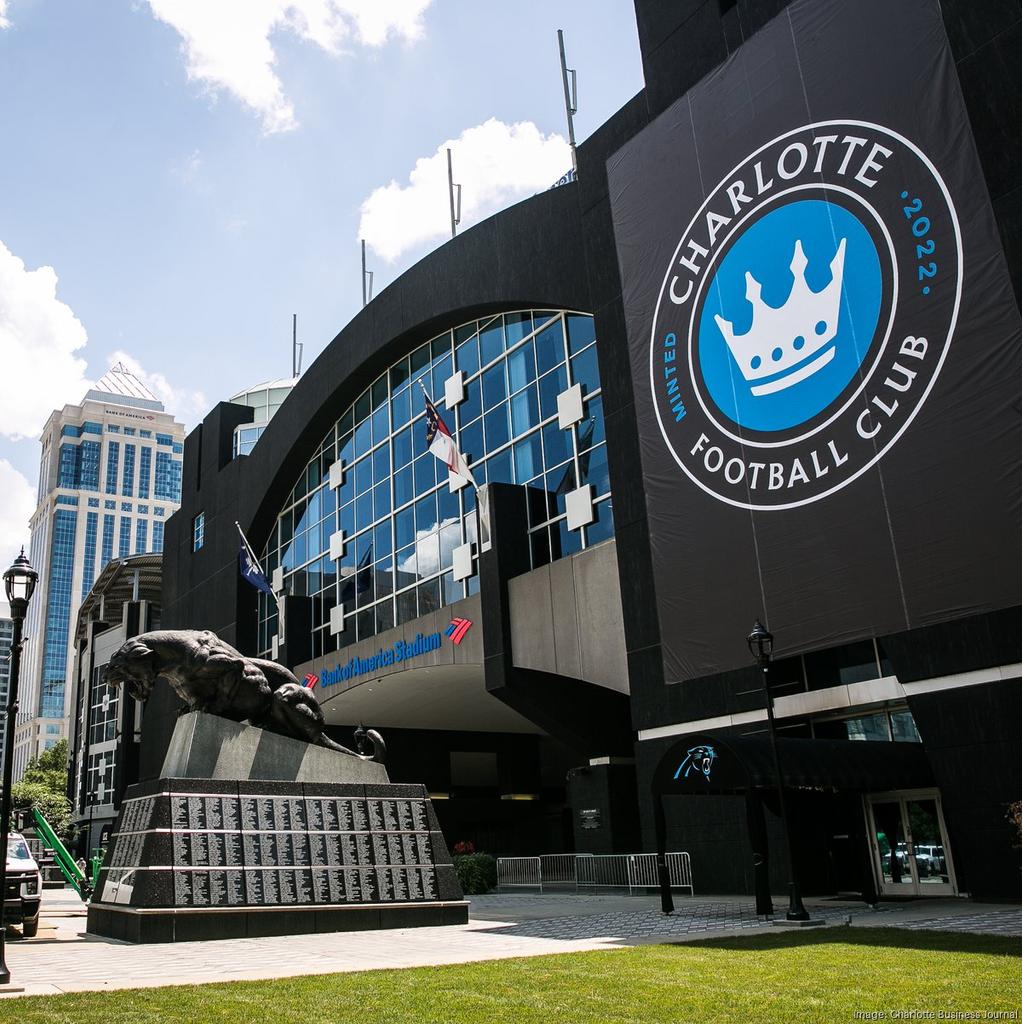
There are so many ways to enjoy soccer, with streaming platforms and highlight clips on YouTube for example. Analysts break down play by play of a game, and through this you get to learn how a team functions and what their strengths and weaknesses are, and even how players act on the pitch. With access to all of these games at home, nothing beats the atmosphere and experience of sitting in on a game in person, hearing the crowd roar as goals are scored and seeing the excitement ripple through the stadium. Seeing the reasons the first modernist stadium built for the 1930 World Cup in Uruguay and how its connection to the cultural history of the country helped FIFA host the first World Cup there, and how it symbolized not just the country, but its people and what they represented.
Fan experience plays such a critical factor in whether players and stadiums alike gain this mythlike status, and when a stadium presents fans with one of the most indescribable encounters, its easy for it to gain notoriety and fame. With all of this notoriety comes those who would use this sporting platform for political purposes, like the terrorist attack near the Stade de France stadium in Paris in 2015, though soccer has long been at the center of international politics.
One final point would be that as the World Cup garnered more and more attention since its inception in 1930, host countries especially use the “sports tourism” method of promoting games, by promoting the games themselves alongside what experiences the local areas have to offer, in order to entice these tourists and gain a little extra revenue on the side. With the modern era of streaming rights, having this access at home makes the in-stadium experience slightly less desirable, especially with rising ticket prices for World Cup matches and how unaffordable they are for the average enjoyer of soccer. At home or in the stadium, people still have that connection to their national team, and the ones who represent it carry the entire countries hopes of winning on their shoulders.

Leave a Reply