What really stands out between these two readings is that women’s soccer wasn’t just about whether women could play, it was about where they were allowed to play and who controlled that space. In the U.S., the game kind of grew quietly in the background, mostly in schools and physical education programs. It was encouraged in a limited way, something healthy, social, and “appropriate”, but that also meant it stayed contained. Without real leagues or consistent competition, it never fully built momentum, even though plenty of women were clearly interested and involved.
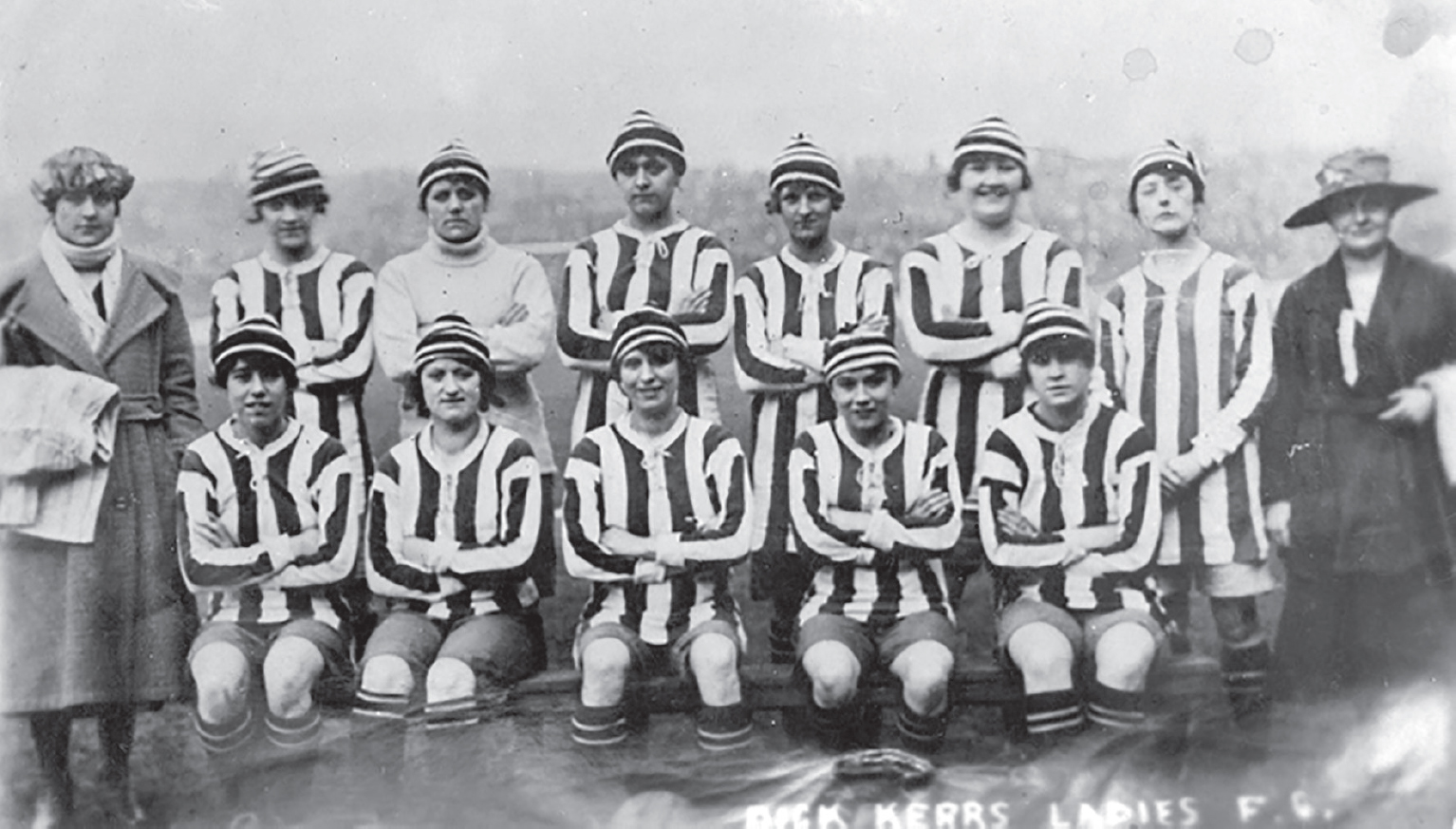
At the same time, the international side, especially during World War I, shows a completely different version of what women’s soccer could be. With men away at war, women stepped into new roles, and soccer became part of that shift. Games were drawing huge crowds and raising money for charity, and for a moment it looked like the sport might actually stick at that level. But that visibility also created tension. Once the war ended, organizations like the FA stepped in and shut it down, claiming it wasn’t suitable for women. It’s hard not to see that as more about protecting control than anything else.
Putting these together, it feels like women’s soccer wasn’t lacking interest or ability, it was lacking permission. In some places, like U.S. schools, it was allowed to exist but only in a controlled, low-stakes way. In others, like Britain during the war, it briefly broke through and showed what it could really become, only to be pushed back again. So the story isn’t one of steady growth, but more like stops and starts, shaped by who was willing to let women take the game seriously, and who wasn’t.

Leave a Reply