The FIFA World Cup has changed from just being a sporting activity to a significant cultural and political phenomenon. I have come to understand and appreciate how the tournament has come to symbolize and promote technological advancements and changes in how the world views football. All these have come to make soccer a significant part of modern culture, and how it is played and celebrated across the world. It also showcases how the sport can unity so many countries together as well.
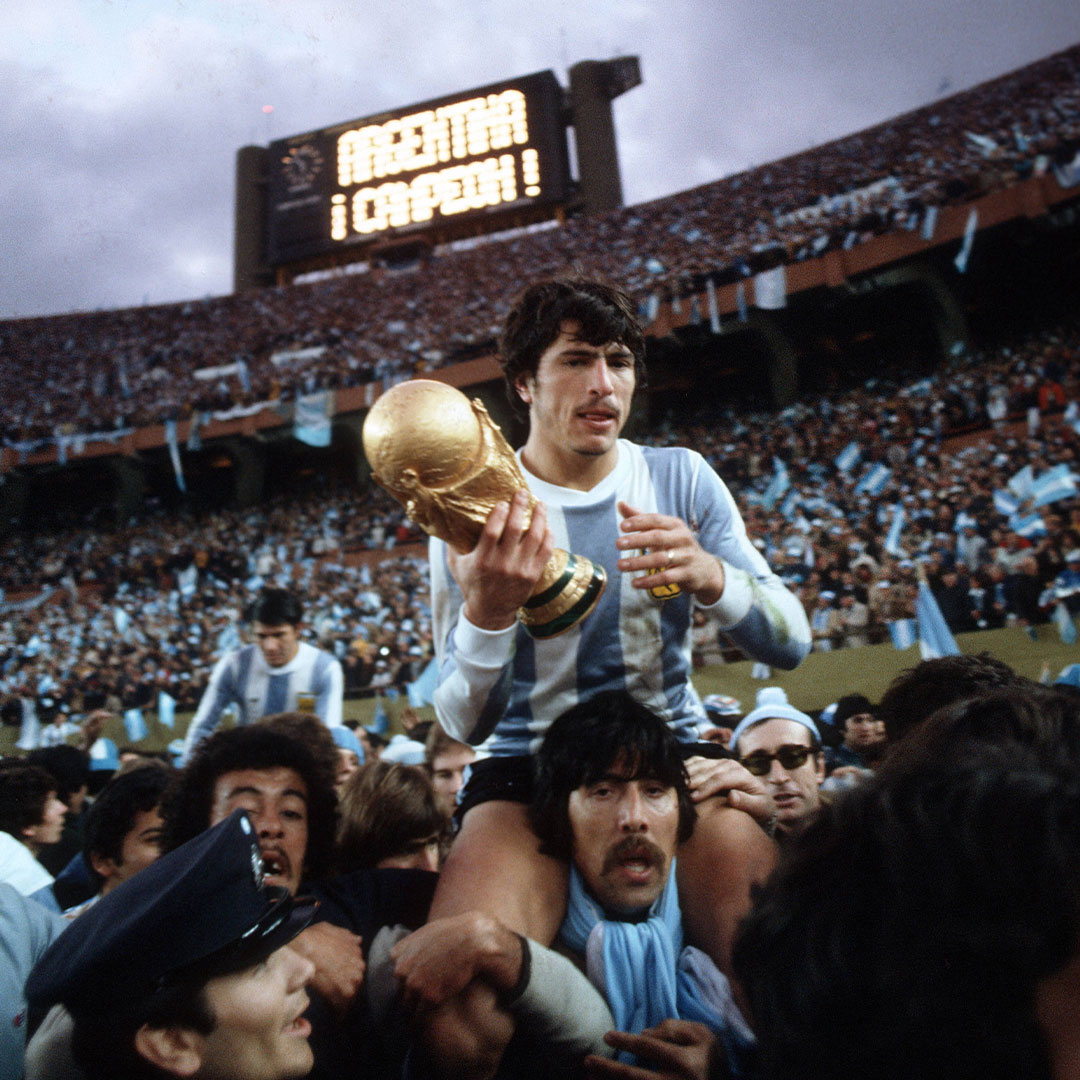
Although the module helped me become familiar with the technical development of the World Cup, it also helped me to consider the political implications of the event that are even less straightforward. For example, the 1978 World Cup, which was hosted in Argentina, was an interesting scenario since the World Cup was held at a time when the country was under a military dictatorship (Thompson, 2014). To them, the World Cup was a political propaganda. The military dictatorship not only viewed the World Cup as a chance whereby the people of Argentina could unite under the same umbrella of national pride, but they were also viewing it as a chance where the people of Argentina would forget the human rights violations that were taking place at the time.
Furthermore, I observed the role of innovations, such as the use of color during the 1970 World Cup, which marked a major turning point in the history of the game (Diaz, 2026). The tactical ingenuity of Brazilians during the 1970 World Cup marked a major turning point in the history of the game. As I reflect on these innovations, I wonder what the future holds for the World Cup in balancing the commercialization of the game with its historical status as a cultural event beyond the boundaries of the game’s fan base. The 1970 and 1978 World Cups show how the tournament was used as a platform to promote innovation and culture in one instance and as a tool of political manipulation and diversion in another. While one World Cup highlighted the development of soccer on a global scale, another highlighted the negative side of politics and soccer. All these have left me wondering how future World Cups will handle issues of commercialization and its legacy as a world cultural phenomenon

Leave a Reply