The digital timeline I created focuses on the rise of women’s soccer in the United States and how it connects to broader themes of gender equality and visibility in sports. I chose Canva to organize my findings historically in addition to visually and graphics. The ease of merging chronological historical events with an array of media formats was a compelling reason to select this platform, as it provided additional context and depth to the final product, in addition to being more than a simple tabulation of historical events in the development of the women’s game.
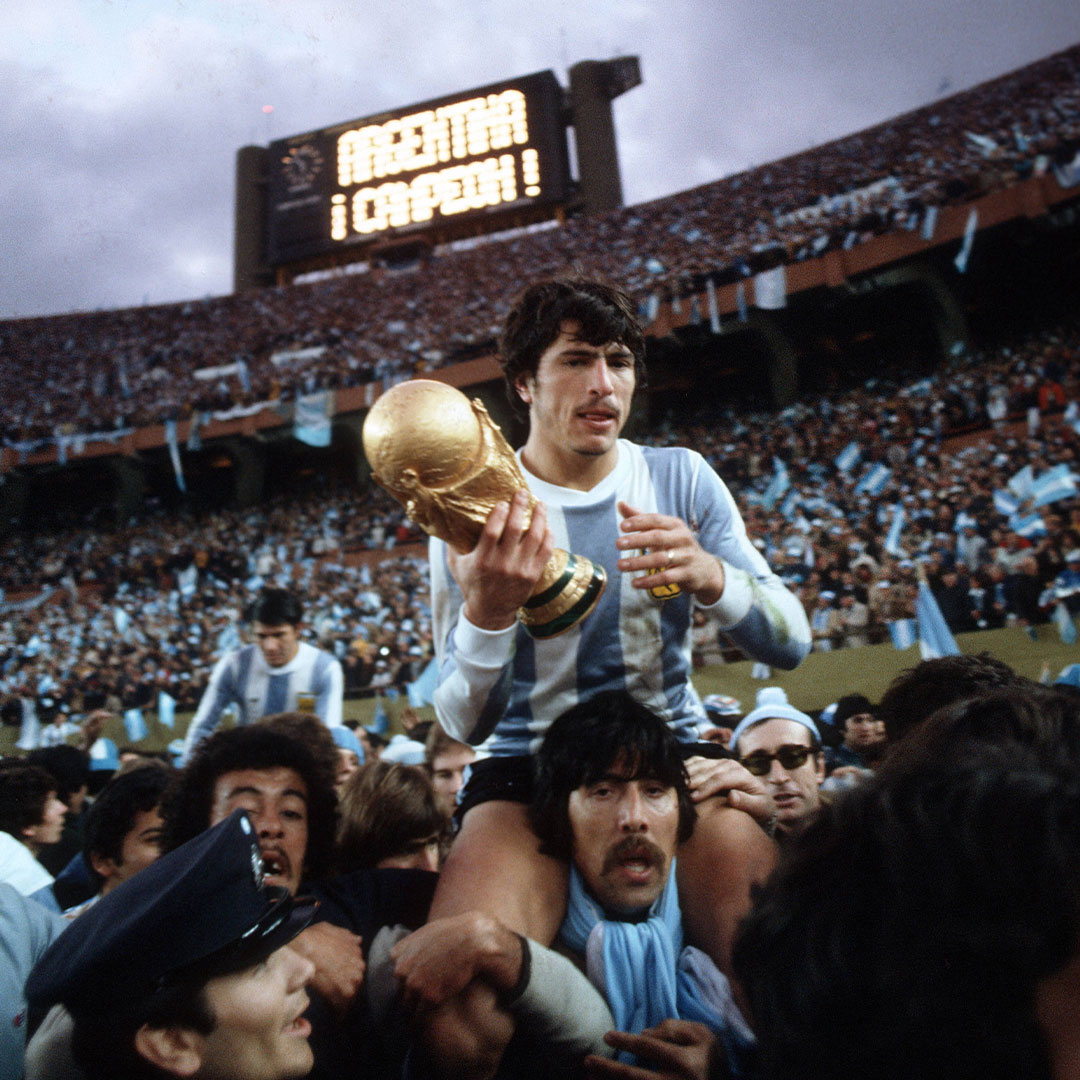
As I constructed the timeline, I specifically focused on significant events, including the passing of Title IX, the formation of the U.S. Women’s National Team, and the legacy of the 1999 Women’s World Cup, providing context around the event and explaining how each event fostered the development and success of women’s soccer in the U.S. Additionally, I incorporated visual elements that complement the written information, including pictures of two teams celebrating successful seasons and notable achievements within the women’s soccer community.
Creating the project was a challenge for me in the way I organized the timeline. Initially, I created a timeline that had too many events centred around 1999, but once I redesigned my timeline, I was able to create a better flow of events from the very beginning of the development of the project, and through to today’s activism. By doing this I made my point much clearer, and easier for someone else to follow.
This project has helped show me that when you present history via digital tools, it is not merely sharing data/information, but also about the way in which that data/information is laid out (structure), and how someone experiences that data/information. This was something that I learned because by including multimedia in this project, it enabled me to create a more engaging way of conducting research, and subsequently demonstrate the significance of each moment.
https://canva.link/3qj6pe96kk841id