This section of The World Cup as World History by William Bowman, along with the articles on Afro-European players and Brazil’s World Cup legacy, all focus on how race and heritage have shaped the way fans and nations view their own teams. A common theme across these readings is that players representing a country but from different racial or ethnic backgrounds are often judged as outsiders, until success forces the nation to reconsider who truly belongs.
An example of this appears in discussions of European national teams with immigrant backgrounds, often described as “Afro-European” squads. As immigration increased in countries like France, Germany, and the Netherlands, national teams began to include players whose families came from Africa or other former colonies. Even when these players were born and raised in Europe, fans and media often questioned whether they were truly national representatives. Bowman explains that the World Cup exposes these tensions because it places national identity on display in a highly emotional setting. When diverse teams succeed, they challenge older ideas that nationality must equal ethnicity.
Brazil’s history shows a similar pattern in a different racial context. As described in both the Bowman textbook and the Brazil article, the loss in the 1950 World Cup final led to heavy blame placed on Black Brazilian players, reinforcing racial hierarchies within Brazilian society. For a period afterward, there was pressure to favor lighter-skinned or European-descended athletes on the national team. This dynamic changed dramatically with the rise of Pelé and other Afro-Brazilian stars in the late 1950s and 1960s. Pelé’s dominance on the field and global popularity made him not only Brazil’s greatest athlete but also a national symbol who complicated racial stereotypes. Alongside players like Garrincha, he helped lead Brazil to World Cup victories in 1958, 1962, and 1970, proving that the country’s identity and success were rooted in its racial diversity rather than in European heritage alone.
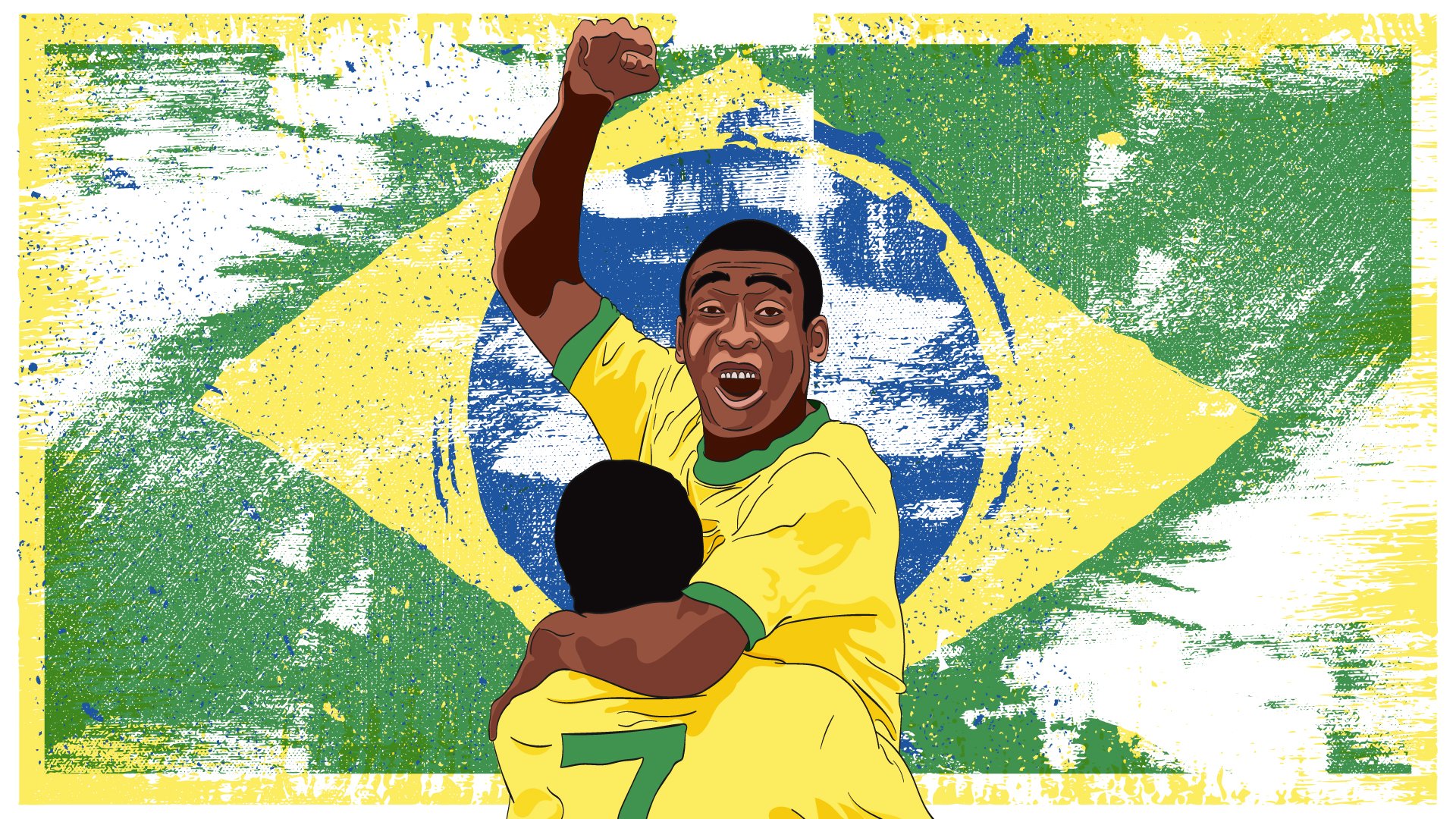
The Afro-European discussion and Brazil’s experience ultimately point to the same idea: success in international sport can transform social attitudes faster than politics alone. When diverse teams win, they force fans to associate national pride with players they may have previously viewed as different. The World Cup becomes a moment where identity is renegotiated in real time. Victories create new symbols of belonging, while defeats often revive exclusionary thinking.
Taken together, these readings suggest that the World Cup is not only about competition but also about defining who represents the nation. Teams that reflect migration and racial diversity often face skepticism at first, yet their achievements, especially those of icons like Pelé, can expand national identity itself. In this way, soccer becomes a powerful space where societies confront and sometimes overcome their own prejudices.
Weston Scambler, Maple Group

Leave a Reply