After World War 2, the World Cup became much more than just a soccer tournament, it evolved into a major political and cultural event. In The World Cup as World History, Bowman explains how global competitions pushed nations to consider whether soccer could reduce political tensions or actually intensify them. The 1950 World Cup in Brazil serves as a strong example. Brazil viewed hosting the tournament as an opportunity to present itself as a modern, powerful nation. The country built the massive Maracana stadium and invested heavily in the event to showcase its growth and strength to the world. President Eurico Dutra even referred to the players as “authentic representatives of Brazil,” highlighting how closely national identity was tied to the team’s performance.
However, Brazil’s loss to Uruguay in the final revealed the darker political and social divides of the sport. Rather than simply accepting defeat, many fans blamed the team’s Black goalkeeper, Barbosa. As both Bowman and Golazo! Chapter 6 illustrate, soccer does not only reflect national pride; it can also expose deep social divisions. In Brazil’s case, the loss intensified existing racial tensions, and it took years before another Black goalkeeper was given a place on the national team.
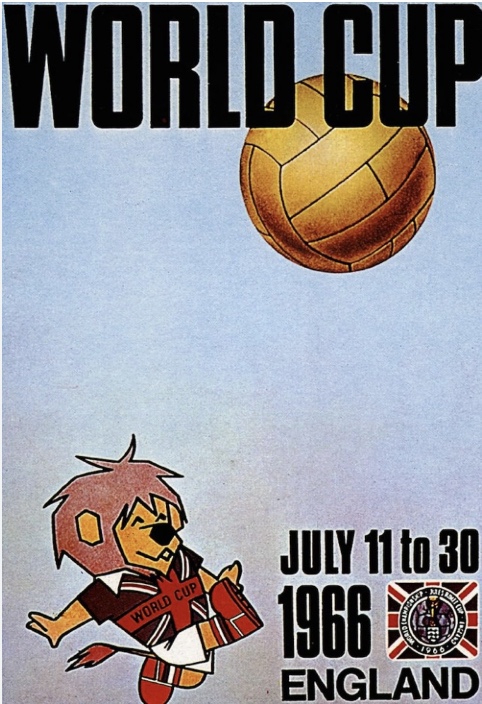
Political tensions also influenced later tournaments, including the 1966 World Cup in England. Several African nations boycotted the competition due to limited qualification spots, while Latin American teams criticized what they perceived as European bias in officiating. These controversies contributed to structural changes within FIFA and eventually supported the rise of Joao Havelange, who advocated for greater representation of non European nations.
Overall, the readings demonstrate that the World Cup is never solely about sport. It functions as a global stage where nations attempt to build pride, power, and international reputation. At the same time, it can expose inequality, political conflict, and social division. Soccer has the ability to unite people, but it can also bring existing national tensions to the surface.

Leave a Reply