Category: Wk08-State and Soccer

  • WK- 08 Well Beyond the Pitch

    When we think of the World Cup, we usually picture moments like match shifting goals, certain favorite players, and unforgettable moments that you can picture exactly where you were when you were watching it, and much of that spectacle is shaped by the tournament itself. The 1970 World Cup in Mexico is often remembered as a turning point in how the world experienced soccer. As the ESPN article by Mauro Diaz recounts, “Mexico 1970’s colorful innovations and historic landmarks put world soccer under a whole new lens,” introducing several elements that became essential to the modern game: the first World Cup broadcast in color, the debut of red and yellow cards, substitutions and even the iconic Adidas Telstar ball that defined the look of soccer balls for decades. It truly was a tournament of firsts, the first World Cup played outside Europe and South America, the first African country back in the mix since 1934, and even tactical evolutions like the “first goal with nine passes” that highlighted Brazil’s fluid teamwork. These innovations didn’t just change how the game was played; they changed how fans around the globe connected with it.

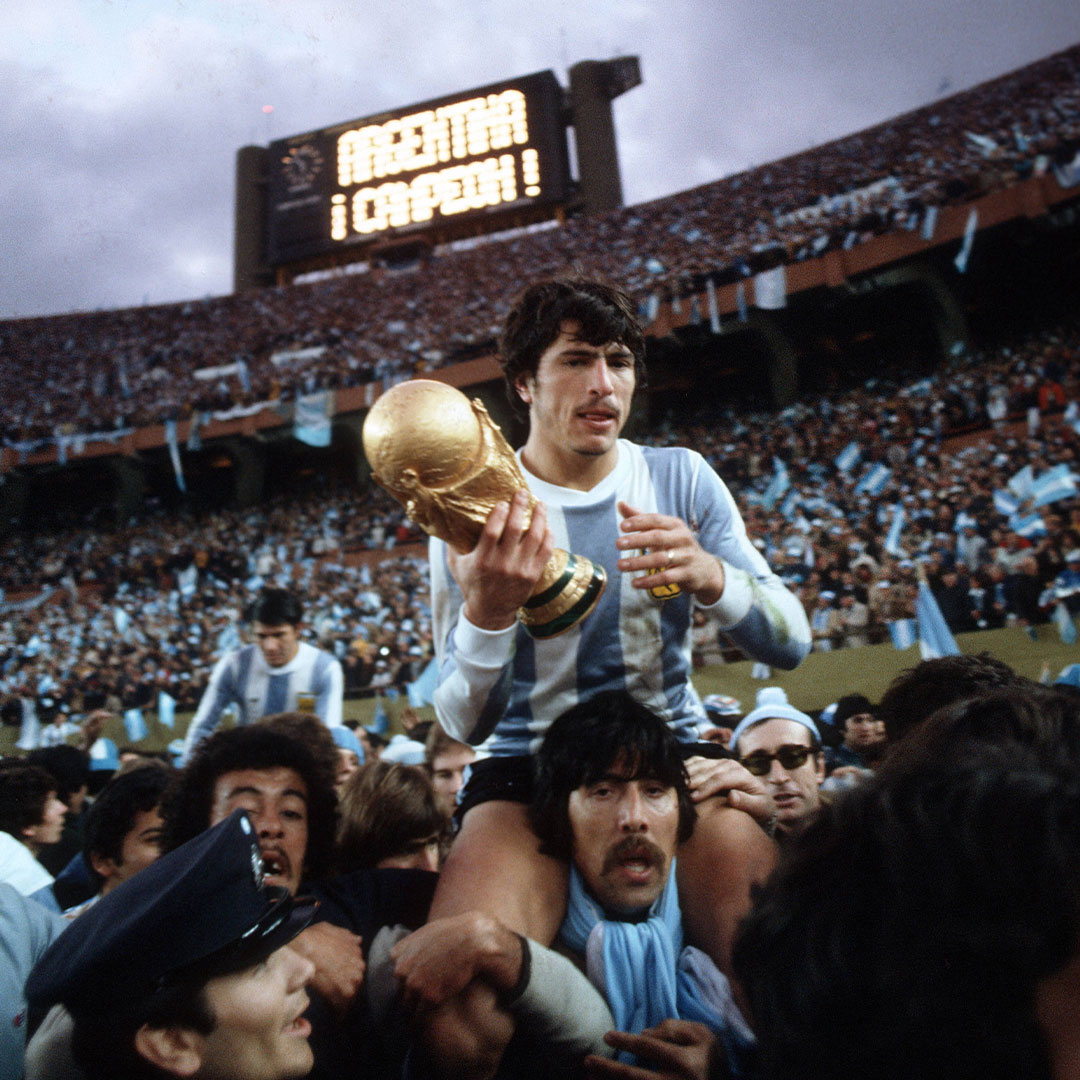
    Yet the World Cup’s power to captivate the globe means it has also been used as a backdrop for things far beyond sport. In an extremely disturbing ESPN feature article, Wright Thompson examines the 1978 World Cup in Argentina and how it is not remembered for its innovations, but for the dark political reality that unfolded alongside it. As that piece notes in the opening title, “At the same time Argentina hosted the 1978 World Cup, the nation’s dictators were waging their “Dirty War” of repression, kidnappings and torture.”

    While millions tuned in to watch Argentina lift the trophy, thousands of political prisoners suffered and died in secret detention camps. In the haunting narrative of that time, people inside Argentina grappled with cheering for national triumph while their neighbors disappeared, never to be seen again.

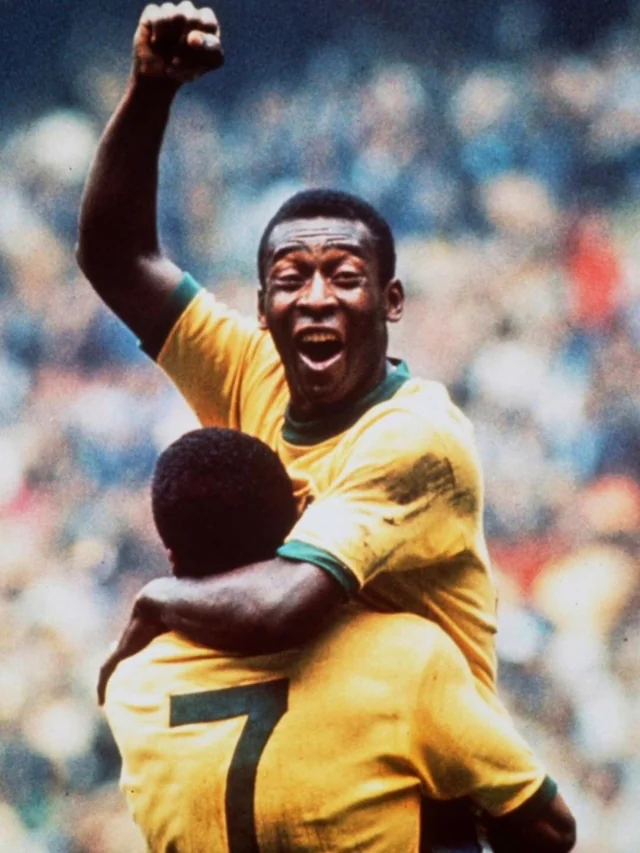
    Together, these two snapshots from World Cup history reveal something important about the tournament’s legacy. On one hand, it helped globalize and modernize soccer, innovating the way the sport is played, watched, and celebrated. And on the other hand, it also demonstrated the event’s broader cultural and political impact, sometimes beautiful, sometimes deeply troubling. Whether it’s the first time fans saw Pele’s Brazil in vivid color or the haunting echoes of a nation at war, the World Cup remains an event whose significance goes well beyond the pitch.
  • Behind the Stadium Lights: The World Cup and Hidden Political Realities

    The ESPN article on Argentina’s Dirty War and the reading on the 1962 World Cup in Chile both focus on how countries use the World Cup to present a positive national image to the world, even when serious political or social problems exist at home. A shared theme across these readings is that hosting the World Cup allows governments and national leaders to promote unity and progress, but the reality on the ground often tells a more complicated story.

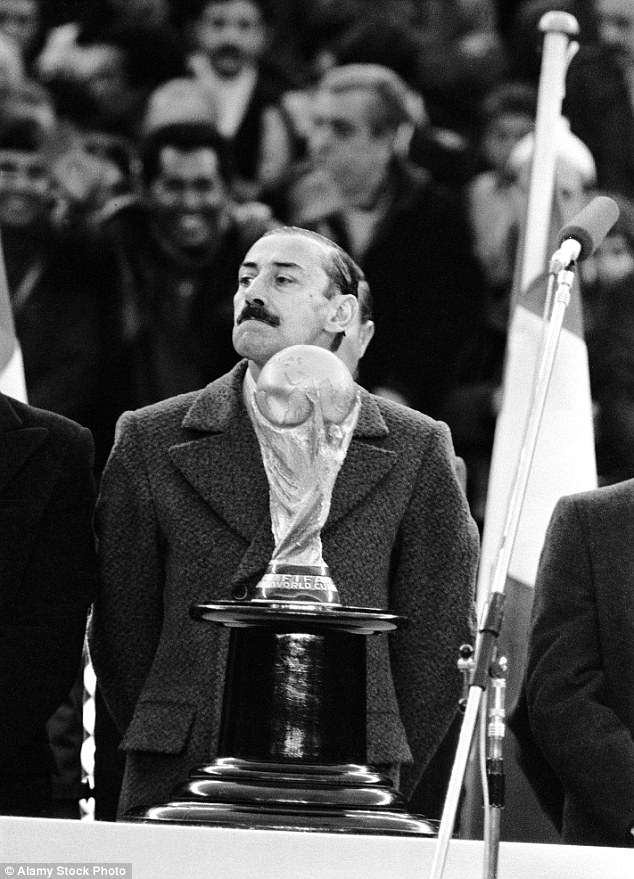
    An example of this appears in Argentina’s 1978 World Cup. According to the ESPN article, the military dictatorship invested heavily in stadiums, infrastructure, and media promotion to portray Argentina as modern and successful while it was secretly carrying out kidnappings, torture, and killings during the Dirty War. Matches were played and celebrations occurred even as prisoners were held in detention centers nearby. The tournament created a sense of national pride and excitement, but it also functioned as a distraction that helped the regime hide repression from both international audiences and many citizens.

    Chile’s 1962 World Cup shows a similar use of sport to shape national image, though in a different political context. The Chilean organizing committee promoted the country as democratic, modern, and socially harmonious, emphasizing that racial and political divisions supposedly did not exist. Official publications described Chile as stable and unified to attract foreign visitors and improve its global reputation. However, the same reading reveals that this image masked deep internal conflicts, including class tensions between amateur and professional clubs and inequalities affecting working-class communities. The World Cup spotlight, therefore, highlighted Chile internationally while hiding domestic struggles. Both cases show that the World Cup often creates a national narrative that is cleaner and more positive than reality. In Argentina, the contrast was between global celebration and state terror. In Chile, it was between projected unity and underlying social divisions. In each situation, hosting the tournament allowed leaders and organizers to frame the nation in a specific way for global audiences.

    Taken together, these readings suggest that the World Cup is not only a sporting event but also a powerful tool of national storytelling. Governments and elites can use it to emphasize progress, stability, and pride, even when those qualities are contested or incomplete. Yet the gap between image and reality does not disappear. Over time, historians and citizens reinterpret these tournaments in light of what was happening behind the scenes. Both Argentina 1978 and Chile 1962 show that the World Cup can simultaneously represent national hope and conceal national problems.

    Weston Scambler, Maple Group, Week 8.

  • Week 8

    The FIFA World Cup has changed from just being a sporting activity to a significant cultural and political phenomenon. I have come to understand and appreciate how the tournament has come to symbolize and promote technological advancements and changes in how the world views football. All these have come to make soccer a significant part of modern culture, and how it is played and celebrated across the world. It also showcases how the sport can unity so many countries together as well.

    Although the module helped me become familiar with the technical development of the World Cup, it also helped me to consider the political implications of the event that are even less straightforward. For example, the 1978 World Cup, which was hosted in Argentina, was an interesting scenario since the World Cup was held at a time when the country was under a military dictatorship (Thompson, 2014). To them, the World Cup was a political propaganda. The military dictatorship not only viewed the World Cup as a chance whereby the people of Argentina could unite under the same umbrella of national pride, but they were also viewing it as a chance where the people of Argentina would forget the human rights violations that were taking place at the time.

    Furthermore, I observed the role of innovations, such as the use of color during the 1970 World Cup, which marked a major turning point in the history of the game (Diaz, 2026). The tactical ingenuity of Brazilians during the 1970 World Cup marked a major turning point in the history of the game. As I reflect on these innovations, I wonder what the future holds for the World Cup in balancing the commercialization of the game with its historical status as a cultural event beyond the boundaries of the game’s fan base. The 1970 and 1978 World Cups show how the tournament was used as a platform to promote innovation and culture in one instance and as a tool of political manipulation and diversion in another. While one World Cup highlighted the development of soccer on a global scale, another highlighted the negative side of politics and soccer. All these have left me wondering how future World Cups will handle issues of commercialization and its legacy as a world cultural phenomenon

  • Money and Football

    USA 94: World Cup that Changed the Game, The: Evans, Matthew:  9781801501675: Amazon.com: Books

    FIFA events generate lots of revenue. Between sponsors, players, communities, and vendors, these tournaments offer significant economic benefits. The article we read this week covered the 1966 tournament and the 1994 World Cup. 

    A major part of this reading is understanding the “swarm” theory. The theory states that the FIFA brand is like a hive. Whenever a tournament begins, vendors, services, and committees have to get involved to ensure a successful game; these are compared to bees. The theory states that when a tournament starts, it’s comparable to a new hive being built. All the organizations, or bees, then work to set up the area to maximize profits. This can include civil services, emergency services, utilities, and local economies. 

    During the 1966 tournament, there was a serious push to see how a mascot would work. They settled on the first World Cup mascot, World Cup Willie. This World Cup was held in England, and the push to have a mascot paid off. The licensed mascot’s merchandising sales took off, proving that large-scale merchandising at one of these tournaments was a viable option. The 1966 World Cup set up the business model for the rest of the tournaments. 

    The 1994 World Cup was held in the United States. It was also the most financially successful World Cup. This can be attributed to the highly corporate world in which the US lives. TV advertisements provide a big area of gain. “Local marketing partners” became a big money-making opportunity. LMPs would provide their services under “USA 94’” instead of “FIFA World Cup”, allowing them to make revenue without sharing it with the FIFA organization. 

    This reading introduced me to many different topics that I was curious about. The economics behind these games have always interested me. So having a reading about the intricacies of it was entertaining.

css.php