The World Cup isn’t just about soccer, it’s also a way for countries to show off a certain image to the world. Both Brenda Elsey’s chapter on the 1962 World Cup in Chile and Wright Thompson’s ESPN article “While the World Watched” show that governments often use the tournament to make their country look united, modern, and successful, even when there are serious problems at home. The main idea in both readings is that the World Cup can create national pride, but the reality behind the scenes is usually way more complicated.
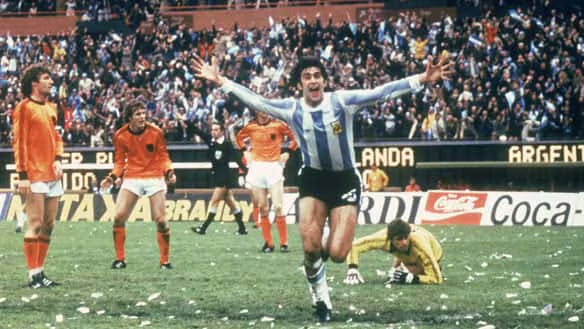
For example, in Argentina’s 1978 World Cup, Thompson explains that the military government spent a ton of money on stadiums, media, and celebrations to make the country seem stable and modern. But at the same time, they were kidnapping, torturing, and killing people during the Dirty War. The games and celebrations distracted both the world and many citizens from what was really happening, showing how the tournament was used as a tool for political control.
Chile’s 1962 World Cup was kind of similar, but in a different way. Elsey points out that organizers promoted Chile as stable, democratic, and socially harmonious. Official publications made it seem like there were no major political or class conflicts, and the country looked modern and ready for the world stage. But underneath, there were tensions between amateur and professional soccer clubs and inequality in working class communities. The World Cup helped Chile look good internationally while hiding these problems.
Both cases show that the World Cup can tell a story about a country that’s cleaner and more positive than reality. In Argentina, it was the contrast between celebration and state terror, and in Chile, it was the gap between projected unity and real social struggles. Hosting the World Cup lets leaders control the narrative, but it doesn’t erase what’s really going on.
Overall, these readings show that the World Cup is way more than just a sports event, but also a stage for politics and national image. It can create hope, pride, and excitement, but it can also hide serious issues.


Leave a Reply