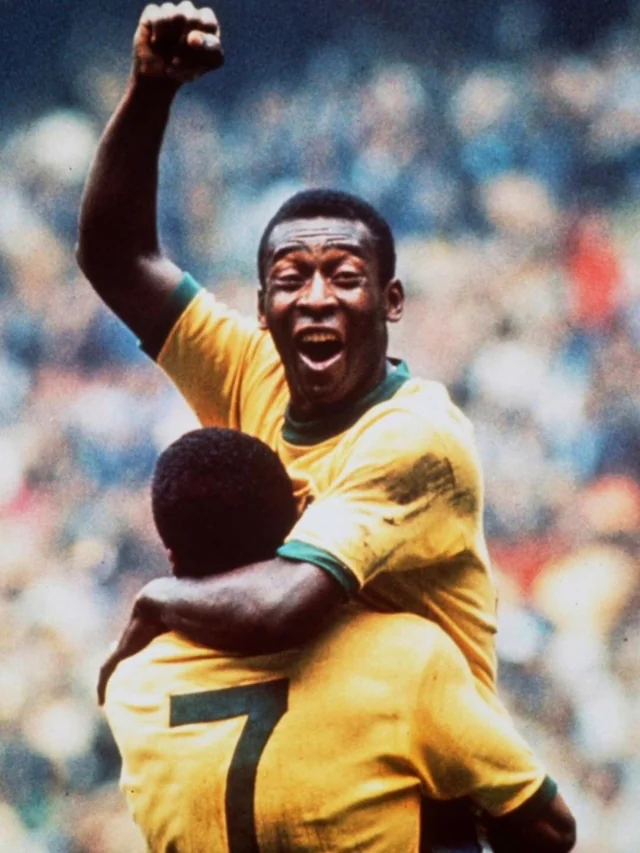
When we think of the World Cup, we usually picture moments like match shifting goals, certain favorite players, and unforgettable moments that you can picture exactly where you were when you were watching it, and much of that spectacle is shaped by the tournament itself. The 1970 World Cup in Mexico is often remembered as a turning point in how the world experienced soccer. As the ESPN article by Mauro Diaz recounts, “Mexico 1970’s colorful innovations and historic landmarks put world soccer under a whole new lens,” introducing several elements that became essential to the modern game: the first World Cup broadcast in color, the debut of red and yellow cards, substitutions and even the iconic Adidas Telstar ball that defined the look of soccer balls for decades. It truly was a tournament of firsts, the first World Cup played outside Europe and South America, the first African country back in the mix since 1934, and even tactical evolutions like the “first goal with nine passes” that highlighted Brazil’s fluid teamwork. These innovations didn’t just change how the game was played; they changed how fans around the globe connected with it.
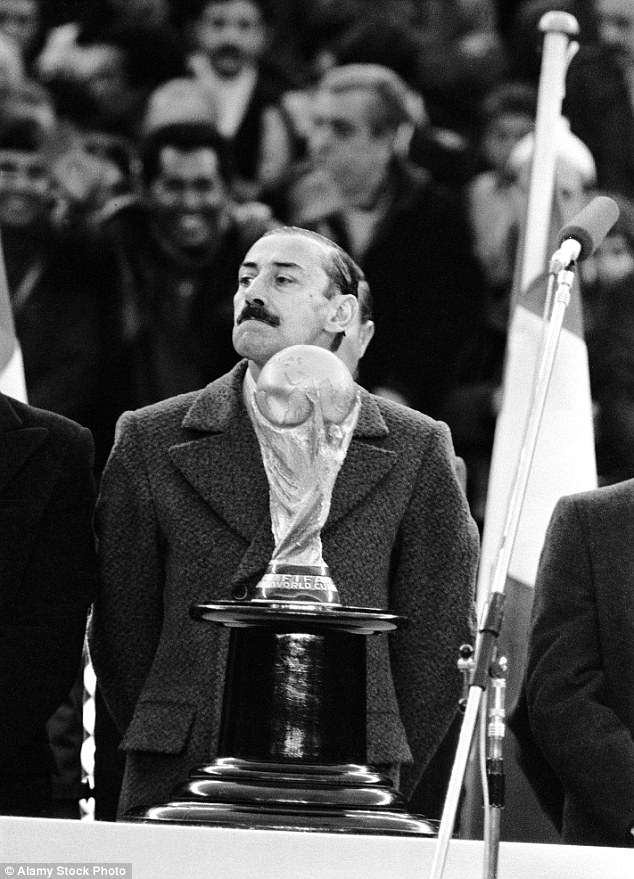
Yet the World Cup’s power to captivate the globe means it has also been used as a backdrop for things far beyond sport. In an extremely disturbing ESPN feature article, Wright Thompson examines the 1978 World Cup in Argentina and how it is not remembered for its innovations, but for the dark political reality that unfolded alongside it. As that piece notes in the opening title, “At the same time Argentina hosted the 1978 World Cup, the nation’s dictators were waging their “Dirty War” of repression, kidnappings and torture.”
While millions tuned in to watch Argentina lift the trophy, thousands of political prisoners suffered and died in secret detention camps. In the haunting narrative of that time, people inside Argentina grappled with cheering for national triumph while their neighbors disappeared, never to be seen again.
Together, these two snapshots from World Cup history reveal something important about the tournament’s legacy. On one hand, it helped globalize and modernize soccer, innovating the way the sport is played, watched, and celebrated. And on the other hand, it also demonstrated the event’s broader cultural and political impact, sometimes beautiful, sometimes deeply troubling. Whether it’s the first time fans saw Pele’s Brazil in vivid color or the haunting echoes of a nation at war, the World Cup remains an event whose significance goes well beyond the pitch.

Leave a Reply