The World Cup has usually been regarded as a mere large soccer championship, but after reading Bowman and Jiménez, I have come to understand that it is more than that. The World Cup is an influential instrument that plays a role in creating the image of countries, affects world politics, and shapes nationalism.
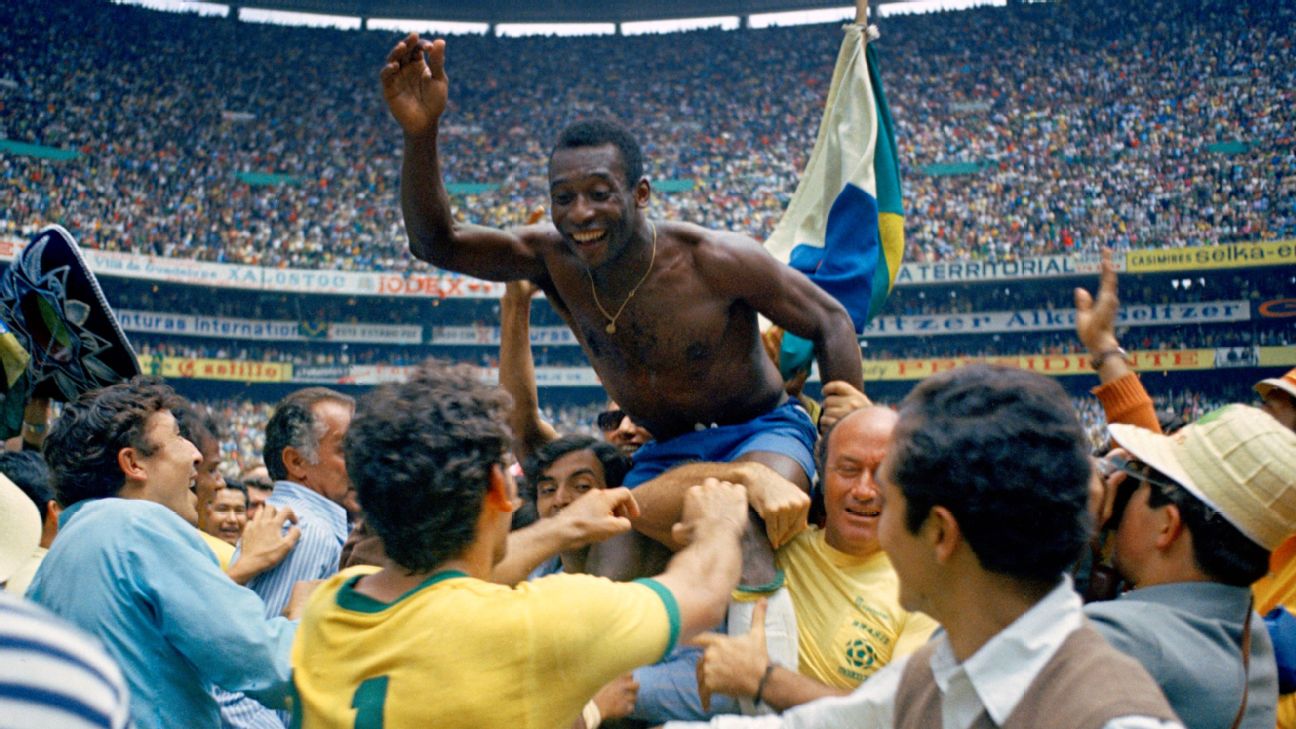
Bowman (2020) describes the way the World Cup is a form of cultural diplomacy. It enables countries to display their values and enhance their political influence at the international level. This concept made me understand that hosting the World Cup is a tactic by nations in their quest to acquire international power. Jiménez (2020) further explains how the Mexican World Cup of 1970 was exploited to establish a new and modern image of the country. Prominent personalities such as Guillermo Cañedo and Emilio Azcarraga Milmo contributed to the dissemination of this new image throughout the world through the broadcasting of the event by the use of television.
In spite of these observations, I still wonder what will become of the World Cup. Bowman (2020) is critical of the growing prominence of the media and corporate sponsors who are shaping the priorities of the event. Do the World Cup games stand to be more financially profitable and less politically and culturally relevant going forward?
This made me see how the World Cup has ceased to be a nation-building tool and emerged as a media and economic phenomenon around the globe. Both Bowman and Jiménez demonstrate how the World Cup has been exploited to create national pride, but also witness how it has become commercially charged by the media and corporations. The 2026 World Cup, to be held in Mexico, the US, and Canada, will likely be a step towards a World Cup focused on media rights and economic aspects, rather than a political and cultural phenomenon.
References
Bowman, W. D. (2020). The World Cup as world history. Rowman & Littlefield.
Elías Jiménez, A. (2020a). Mexico 1970: football and multiple forms of modern nation-building during the 1970 World Cup. Soccer & Society, 21(8), 876–888. https://doi.org/10.1080/14660970.2020.1793623

Leave a Reply