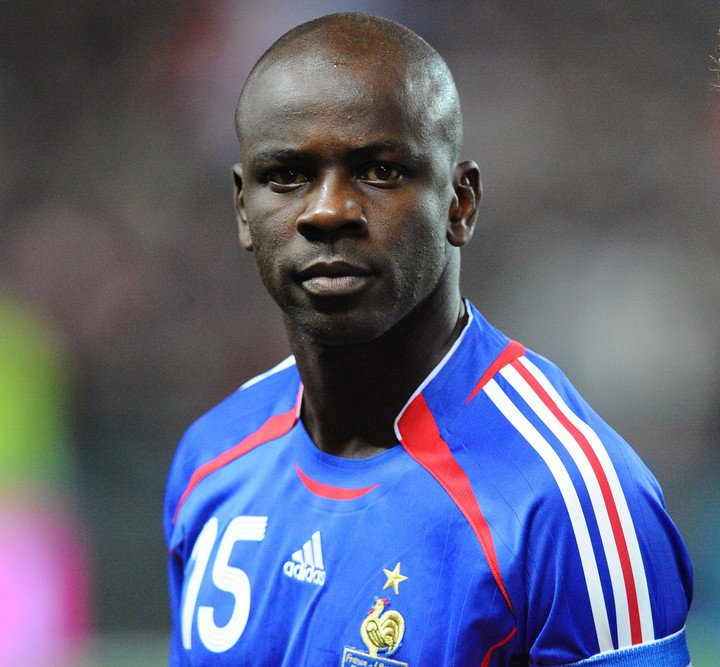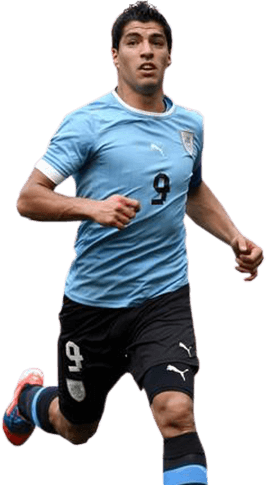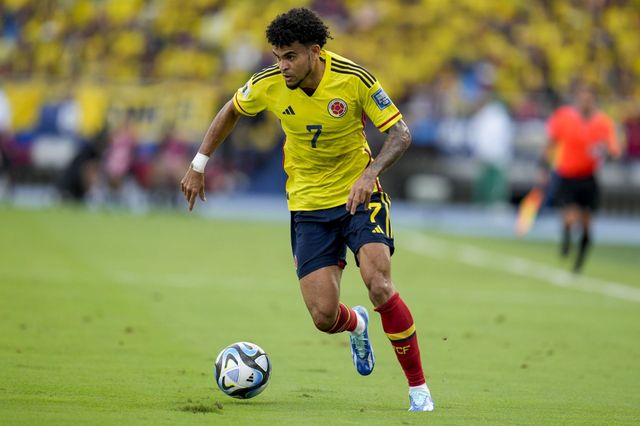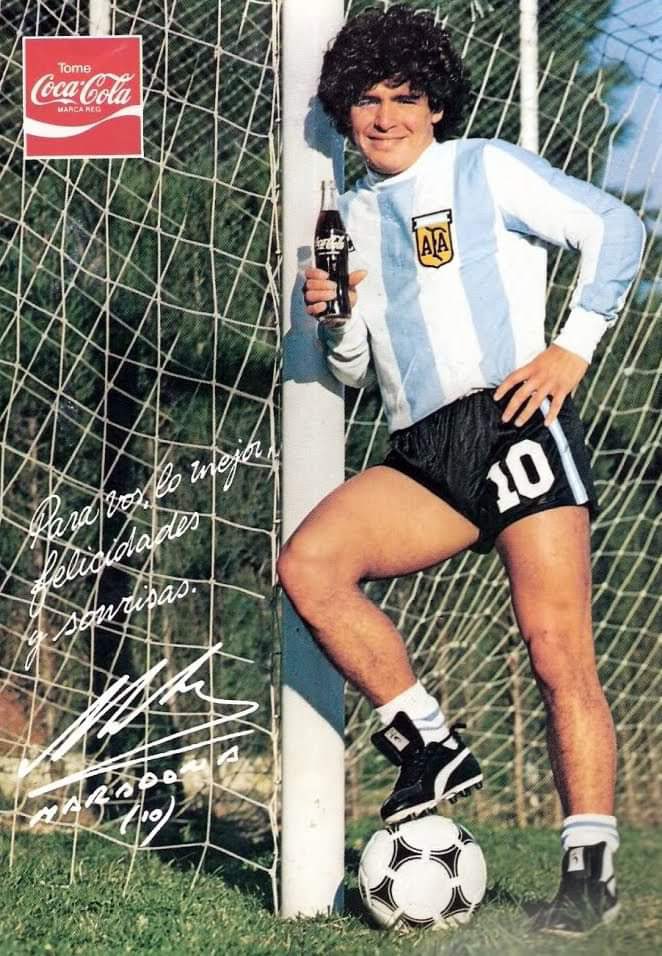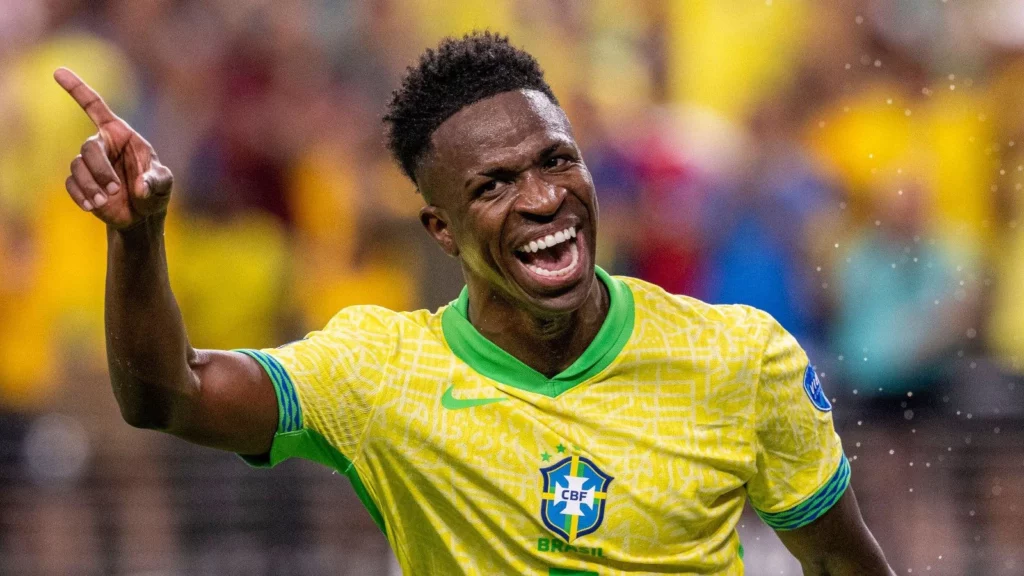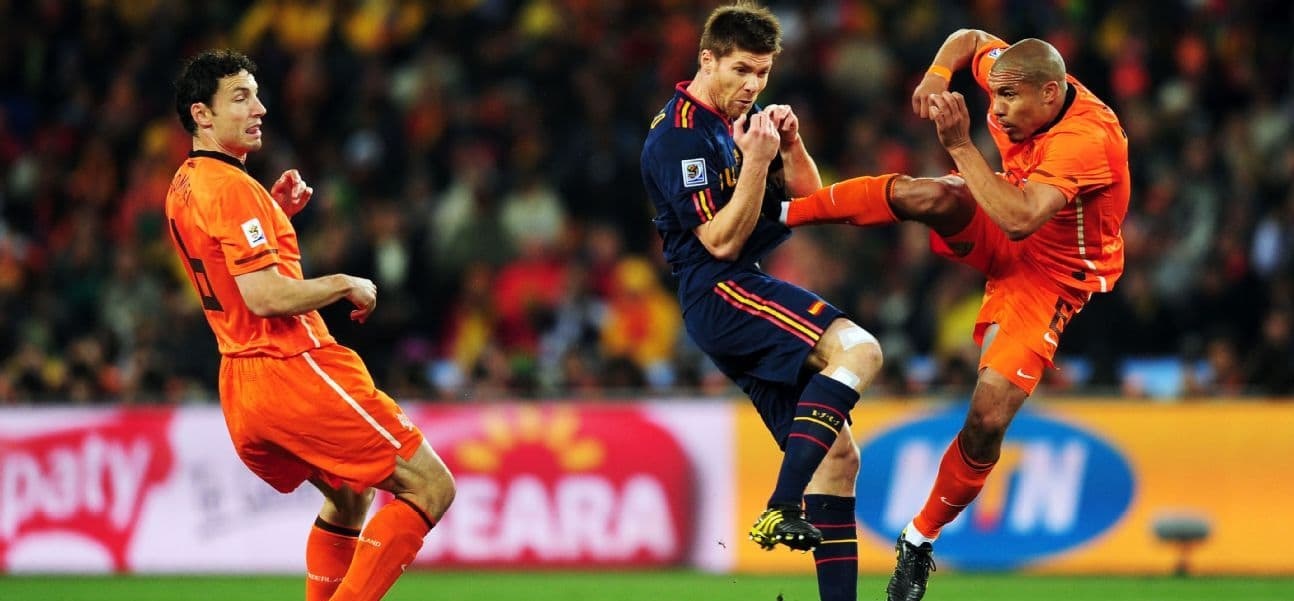
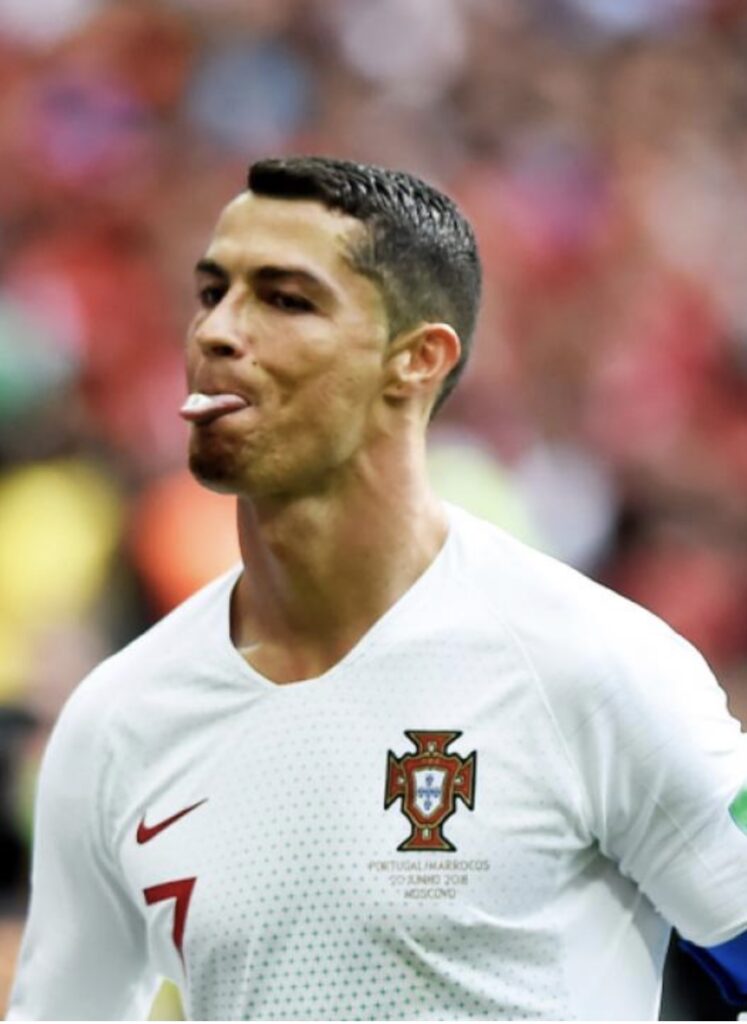
Fandom is a funny thing. One person’s hero is another’s villain. Examples abound, whether it’s Uruguay’s Luis Suárez, Argentina’s Diego Maradona, Portugal’s Cristiano Ronaldo, Brazil’s Vini Jr., or historic teams of past World Cups, some figures or teams are praised and hated to an intense degree.
It’s no surprise that the “beautiful game” incites passions around the world—often at unhealthy levels. Club or national team identities are often intertwined with ethnic, racial, religious, and class identities, and rivalries bring out abusive behaviors. Sometimes contradictions occur, but worse violence ensues. In this unit, we will look at how myths are created, when soccer fandom goes too far, and the significance of particular players in upholding or challenging existing narratives.
We will examine questions such as: “Are there true heroes and villains in world soccer?,” “How does a game consisting of one ball and twenty-two players take on socio-political-economic significance—sometimes to a violent degree?,” and “Who is left out in the myth making of the sport?”.
Topics to Discuss
- Fandom, stadiums, and the culture surrounding the FIFA World Cup [Mar 17]
- The ultimate “pibe”: Diego Maradona, 1986, and the “Hand of God” [Mar 19]
- What makes a soccer hero or villain? Focus on Ronaldo, Zidane, and Messi [Mar 24 & 26]
- ICR: Galeano, Soccer in Sun and Shadow – select sections per pair
- Spain’s Golden Era: regionalism, immigration, national identity, and Lamine Yamal. Guest: Adam Winkel, Spanish professor at High Point University. [Mar 31]
Readings