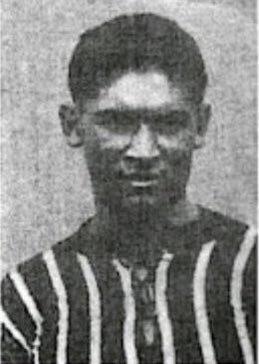
For the two readings that were assigned this week, I noticed a distinct theme between the two of them. There is a connection to politics within football with some interesting nuances to it. In one scenario, Uruguay in the early 20th century was eager to prove itself in international competition among other South American nations as well as the nations that span the rest of the world. This came after victories in the Olympics as well as becoming a global leader in staging football competitions and celebrating one hundred years of political independence. There is more than just national identity included in the politics of football. The exclusion of Juan Delgado from a Southern American competition as well as other racial injustices provided an avenue for players to protest against the racial hatred that was plaguing Uruguay’s football. There were derogatory comments made about Isabelino Gradin, which prompted pushback from the player against his call-up to play for Uruguay in the Campeonato Sudamericano. From page 296 in the Martin De Cruz article, “For him and other racialised Uruguayans it was an everyday reality so he wouldn’t stay silent. He wouldn’t shut up and dribble. He wouldn’t be afraid to put racism under the spotlight on the eve of Uruguay’s most important footballing moment.” A football player was utilizing his status in the sport to highlight a major societal and political issue within the country he was asked to play for, racism. The relationship between politics and football has layers to it. There is national identity, societal issues within the competing nations, and the actual diplomatic component to it involving international politics between important regions. The inaugural World Cup in Uruguay established a sort of political “tug-of-war” between South America and Europe. European nations stayed away from Uruguay for the World Cup in 1930, citing travel costs and the worry of being so far away from their fans and their typical European bases. Uruguay offered to pay for the costs on-site for the competing teams, yet only four European nations sent teams to compete in the World Cup for that year, being France, Romania, Belgium, and Yugoslavia. Yugoslavia was the most eager to compete out of the European teams, with the other nations such as Belgium being connected to the German-Belgium vice president of FIFA, Romania entering on the intervention of their king, Carol II, and France being convinced by one of the driving forces of FIFA at the time, Jules Rimet. So in short, the main point I have picked up in the course of these readings was that politics and football are intertwined at a few different levels, being local, in-country politics, national politics among other nations in the region, and international politics across the globe between South America and Europe.

Leave a Reply